GUIDON OF TROOP F, 11TH UNITED STATES CAVALRY
Carried During the Philippine-American War and Associated with Major General Henry Ware Lawton
Circa 1898–1899
Wool bunting with cotton appliqued inscriptions
Approx. 27 inches hoist x 37 inches fly
Provenance
De Young Museum, San Francisco, California (Accession No. DY42873); acquired June 30, 1917.
Gift of George Rolph, former Mayor of San Francisco.
Purchased at a Red Cross Benefit Auction held at the Palace Hotel, San Francisco, June 27, 1917.
Butterfield & Butterfield, San Francisco.
The Zaricor Flag Collection.
Published: The American Flag: Two Centuries of Concord & Conflict by Howard Michael Madaus and Whitney Smith.
A Flag That Followed a General into History
Among surviving American military flags, few possess the extraordinary combination of documented battlefield use, museum provenance, publication history, and direct association with a nationally significant military figure found in this cavalry guidon of Troop F, 11th United States Cavalry.
Constructed of red-over-white wool bunting in the official United States Army "Model 1885" pattern, this swallow-tailed guidon served as the identifying standard of Troop F of the famed 11th Cavalry Regiment during the Philippine-American War. The regiment number "11" appears in white on the red field while the troop designation "F" appears in red upon the white field, allowing mounted soldiers to identify their unit instantly amid the confusion of movement and combat.
For the cavalryman, the guidon represented far more than a marker of position. It embodied the honor, identity, and esprit de corps of the troop that followed it. To lose one's guidon in battle was considered a disgrace; to preserve it was a matter of pride.
This particular example bears the scars of service. Its losses, fraying, and battlefield wear are not flaws but physical testimony to its active use during one of the most significant military campaigns of the American nineteenth century.
The 11th Cavalry and the End of the American Frontier
The 11th United States Cavalry was established during the post-Civil War expansion of the Regular Army and became one of the principal regiments involved in frontier service throughout the American West.
The regiment spent years campaigning against Native American tribes during the closing decades of the Indian Wars, participating in the final chapters of armed conflict on the western frontier. By the 1890s, however, the nation's military focus was changing dramatically. The frontier was declared closed, and American military power was increasingly projected beyond the continent.
The 11th Cavalry found itself among the regiments that bridged these two eras of American history—serving first in the West and then overseas in America's emerging imperial campaigns.
This guidon accompanied the regiment during that historic transition.
Major General Henry Ware Lawton
The history of this flag is inseparable from that of Major General Henry Ware Lawton (1843–1899), one of the most respected American soldiers of his generation.
Lawton's military career began during the Civil War, where he distinguished himself through extraordinary bravery and leadership. Following the war, he remained in the Regular Army and rose steadily through the ranks while serving across the American frontier.
Lawton achieved national fame in 1886 when he commanded the arduous expedition that pursued the Apache leader Geronimo through the deserts and mountains of the American Southwest and northern Mexico. After months of relentless campaigning under some of the harshest conditions imaginable, Lawton's efforts contributed directly to Geronimo's eventual surrender, effectively ending the last major Native American resistance campaigns in the Southwest.
His reputation as a tireless and fearless field commander became legendary.
During the Spanish-American War of 1898, Lawton again distinguished himself, commanding troops in Cuba and contributing significantly to American victory. Soon afterward, he was promoted to Major General of Volunteers and assigned command responsibilities in the Philippines.
The Irony of Two Geronimos
One of the most remarkable historical coincidences associated with this guidon involves two men sharing the same name.
Lawton became famous through his pursuit and eventual acceptance of the surrender of the Apache leader Geronimo in 1886.
Thirteen years later, while commanding American forces during the Philippine-American War, Lawton met his death fighting troops under the command of Filipino General Licerio Geronimo.
The irony has often been noted by historians: the American officer whose fame was secured through the capture of one Geronimo ultimately lost his life opposing another.
Few military artifacts possess a historical association so striking and memorable.
The Battle of San Mateo
On December 19, 1899, General Lawton led an expedition against Filipino insurgent forces at San Mateo, near Manila.
Contemporary newspaper accounts document that Troop F of the 11th Cavalry served as part of Lawton's headquarters escort during the operation. Advancing through difficult terrain and heavy weather, Lawton personally directed the assault against enemy positions.
During the engagement he exposed himself repeatedly to enemy fire, as was his habit. Despite warnings from officers around him, Lawton continued to direct operations from the front.
A Filipino marksman ultimately struck him with a fatal shot.
Witnesses recorded that Lawton's final words were:
"I am shot."
He died almost immediately.
According to period accounts, cavalrymen of Troop F later escorted the fallen general from the battlefield, accompanying his body as it was transported back toward Manila.
This guidon was almost certainly present during those solemn moments.
As both a battlefield standard and troop identifier, it stood not only as a symbol of military service but also as a witness to one of the most dramatic and tragic episodes of the Philippine-American War.
Return to San Francisco
Following Lawton's death, elaborate memorial ceremonies were conducted throughout the United States.
Documentation accompanying this guidon records that it later appeared at a Red Cross Benefit Auction held at the Palace Hotel in San Francisco on June 27, 1917. The event raised funds to aid American soldiers serving overseas during the First World War.
The guidon was purchased for one hundred dollars and subsequently donated by George Rolph, future Mayor of San Francisco, to the De Young Museum only three days later.
The museum accession records preserve this chain of ownership, providing an unusually complete provenance that enhances both the historical and scholarly significance of the artifact.
Museum and Scholarly Importance
The guidon remained in the collection of the De Young Museum before later entering the celebrated Zaricor Flag Collection, one of the most important assemblages of historic American flags ever formed.
Its inclusion in Howard Michael Madaus and Whitney Smith's landmark publication The American Flag: Two Centuries of Concord & Conflict further confirms its significance within the field of American military vexillology.
Few surviving cavalry guidons can claim:
• Direct association with a major American general.
• Documented participation in a specific military campaign.
• Published scholarly reference.
• Museum provenance.
• Continuous chain of ownership extending back more than a century.
Together these attributes elevate the guidon far beyond a surviving military relic and place it among the most historically compelling cavalry standards of the late nineteenth century.
A Witness to an Emerging Nation
More than a military artifact, this guidon embodies a pivotal moment in American history.
It links the final campaigns of the American frontier, the surrender of Geronimo, the rise of Henry Lawton, the Spanish-American War, the Philippine-American War, and the emergence of the United States as a global power.
Its worn wool fabric, faded colors, and battle-scarred swallowtail preserve the memory of soldiers who carried it through conflict, duty, and sacrifice.
Today it survives as a rare and evocative witness to the transformation of the United States at the dawn of the twentieth century.
The combination of De Young Museum provenance, publication in the Madaus/Smith reference, direct Lawton association, and documented battlefield history places it well above the level of a typical cavalry guidon and into the category of a museum-quality historical artifact.
GUIDON OF TROOP F, 11TH UNITED STATES CAVALRY
Carried During the Philippine-American War and Associated with Major General Henry Ware Lawton
Circa 1898–1899
Wool bunting with cotton appliqued inscriptions
Approx. 27 inches hoist x 37 inches fly
Provenance
De Young Museum, San Francisco, California (Accession No. DY42873); acquired June 30, 1917.
Gift of George Rolph, former Mayor of San Francisco.
Purchased at a Red Cross Benefit Auction held at the Palace Hotel, San Francisco, June 27, 1917.
Butterfield & Butterfield, San Francisco.
The Zaricor Flag Collection.
Published: The American Flag: Two Centuries of Concord & Conflict by Howard Michael Madaus and Whitney Smith.
A Flag That Followed a General into History
Among surviving American military flags, few possess the extraordinary combination of documented battlefield use, museum provenance, publication history, and direct association with a nationally significant military figure found in this cavalry guidon of Troop F, 11th United States Cavalry.
Constructed of red-over-white wool bunting in the official United States Army "Model 1885" pattern, this swallow-tailed guidon served as the identifying standard of Troop F of the famed 11th Cavalry Regiment during the Philippine-American War. The regiment number "11" appears in white on the red field while the troop designation "F" appears in red upon the white field, allowing mounted soldiers to identify their unit instantly amid the confusion of movement and combat.
For the cavalryman, the guidon represented far more than a marker of position. It embodied the honor, identity, and esprit de corps of the troop that followed it. To lose one's guidon in battle was considered a disgrace; to preserve it was a matter of pride.
This particular example bears the scars of service. Its losses, fraying, and battlefield wear are not flaws but physical testimony to its active use during one of the most significant military campaigns of the American nineteenth century.
The 11th Cavalry and the End of the American Frontier
The 11th United States Cavalry was established during the post-Civil War expansion of the Regular Army and became one of the principal regiments involved in frontier service throughout the American West.
The regiment spent years campaigning against Native American tribes during the closing decades of the Indian Wars, participating in the final chapters of armed conflict on the western frontier. By the 1890s, however, the nation's military focus was changing dramatically. The frontier was declared closed, and American military power was increasingly projected beyond the continent.
The 11th Cavalry found itself among the regiments that bridged these two eras of American history—serving first in the West and then overseas in America's emerging imperial campaigns.
This guidon accompanied the regiment during that historic transition.
Major General Henry Ware Lawton
The history of this flag is inseparable from that of Major General Henry Ware Lawton (1843–1899), one of the most respected American soldiers of his generation.
Lawton's military career began during the Civil War, where he distinguished himself through extraordinary bravery and leadership. Following the war, he remained in the Regular Army and rose steadily through the ranks while serving across the American frontier.
Lawton achieved national fame in 1886 when he commanded the arduous expedition that pursued the Apache leader Geronimo through the deserts and mountains of the American Southwest and northern Mexico. After months of relentless campaigning under some of the harshest conditions imaginable, Lawton's efforts contributed directly to Geronimo's eventual surrender, effectively ending the last major Native American resistance campaigns in the Southwest.
His reputation as a tireless and fearless field commander became legendary.
During the Spanish-American War of 1898, Lawton again distinguished himself, commanding troops in Cuba and contributing significantly to American victory. Soon afterward, he was promoted to Major General of Volunteers and assigned command responsibilities in the Philippines.
The Irony of Two Geronimos
One of the most remarkable historical coincidences associated with this guidon involves two men sharing the same name.
Lawton became famous through his pursuit and eventual acceptance of the surrender of the Apache leader Geronimo in 1886.
Thirteen years later, while commanding American forces during the Philippine-American War, Lawton met his death fighting troops under the command of Filipino General Licerio Geronimo.
The irony has often been noted by historians: the American officer whose fame was secured through the capture of one Geronimo ultimately lost his life opposing another.
Few military artifacts possess a historical association so striking and memorable.
The Battle of San Mateo
On December 19, 1899, General Lawton led an expedition against Filipino insurgent forces at San Mateo, near Manila.
Contemporary newspaper accounts document that Troop F of the 11th Cavalry served as part of Lawton's headquarters escort during the operation. Advancing through difficult terrain and heavy weather, Lawton personally directed the assault against enemy positions.
During the engagement he exposed himself repeatedly to enemy fire, as was his habit. Despite warnings from officers around him, Lawton continued to direct operations from the front.
A Filipino marksman ultimately struck him with a fatal shot.
Witnesses recorded that Lawton's final words were:
"I am shot."
He died almost immediately.
According to period accounts, cavalrymen of Troop F later escorted the fallen general from the battlefield, accompanying his body as it was transported back toward Manila.
This guidon was almost certainly present during those solemn moments.
As both a battlefield standard and troop identifier, it stood not only as a symbol of military service but also as a witness to one of the most dramatic and tragic episodes of the Philippine-American War.
Return to San Francisco
Following Lawton's death, elaborate memorial ceremonies were conducted throughout the United States.
Documentation accompanying this guidon records that it later appeared at a Red Cross Benefit Auction held at the Palace Hotel in San Francisco on June 27, 1917. The event raised funds to aid American soldiers serving overseas during the First World War.
The guidon was purchased for one hundred dollars and subsequently donated by George Rolph, future Mayor of San Francisco, to the De Young Museum only three days later.
The museum accession records preserve this chain of ownership, providing an unusually complete provenance that enhances both the historical and scholarly significance of the artifact.
Museum and Scholarly Importance
The guidon remained in the collection of the De Young Museum before later entering the celebrated Zaricor Flag Collection, one of the most important assemblages of historic American flags ever formed.
Its inclusion in Howard Michael Madaus and Whitney Smith's landmark publication The American Flag: Two Centuries of Concord & Conflict further confirms its significance within the field of American military vexillology.
Few surviving cavalry guidons can claim:
• Direct association with a major American general.
• Documented participation in a specific military campaign.
• Published scholarly reference.
• Museum provenance.
• Continuous chain of ownership extending back more than a century.
Together these attributes elevate the guidon far beyond a surviving military relic and place it among the most historically compelling cavalry standards of the late nineteenth century.
A Witness to an Emerging Nation
More than a military artifact, this guidon embodies a pivotal moment in American history.
It links the final campaigns of the American frontier, the surrender of Geronimo, the rise of Henry Lawton, the Spanish-American War, the Philippine-American War, and the emergence of the United States as a global power.
Its worn wool fabric, faded colors, and battle-scarred swallowtail preserve the memory of soldiers who carried it through conflict, duty, and sacrifice.
Today it survives as a rare and evocative witness to the transformation of the United States at the dawn of the twentieth century.
The combination of De Young Museum provenance, publication in the Madaus/Smith reference, direct Lawton association, and documented battlefield history places it well above the level of a typical cavalry guidon and into the category of a museum-quality historical artifact.
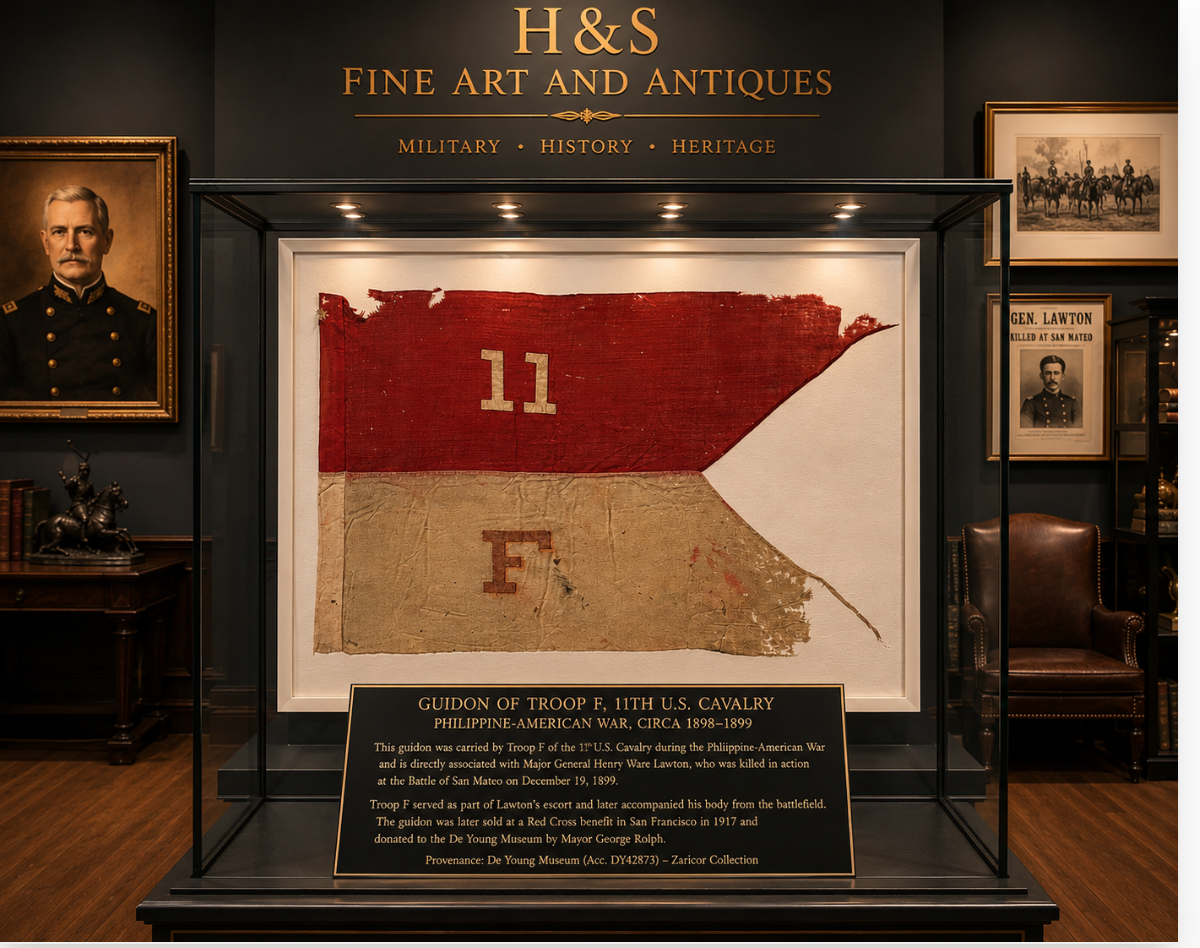 Image 1 of 17
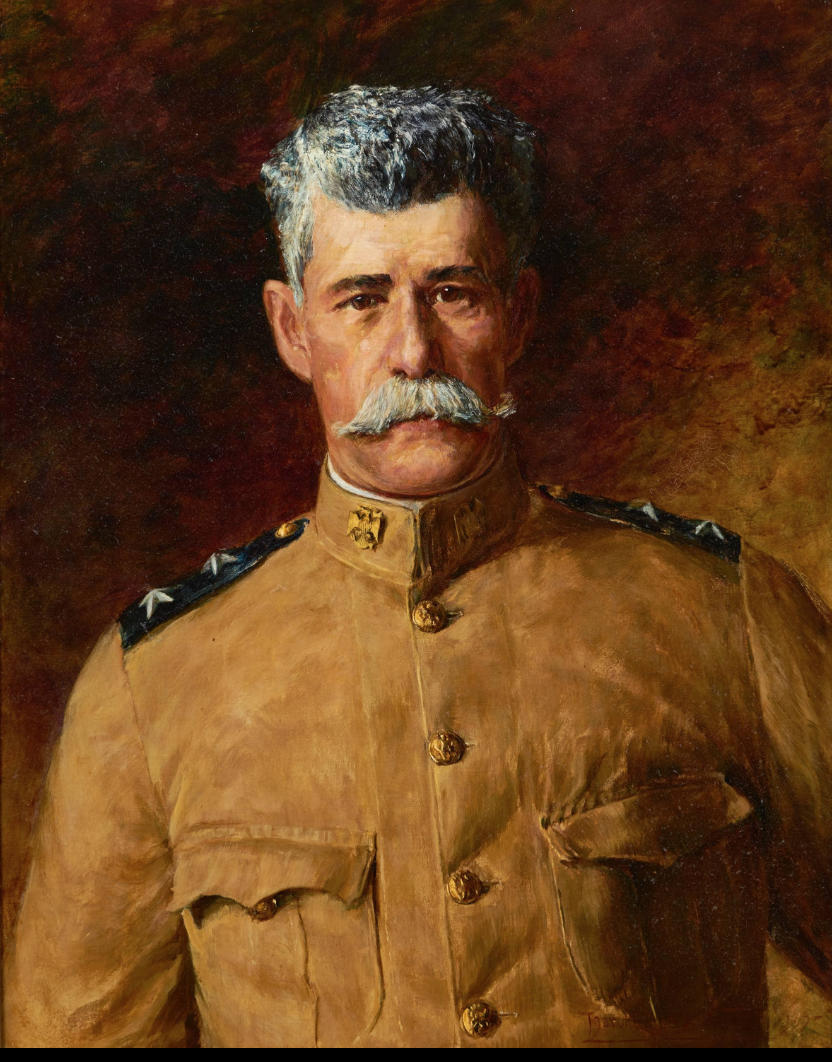 Image 2 of 17
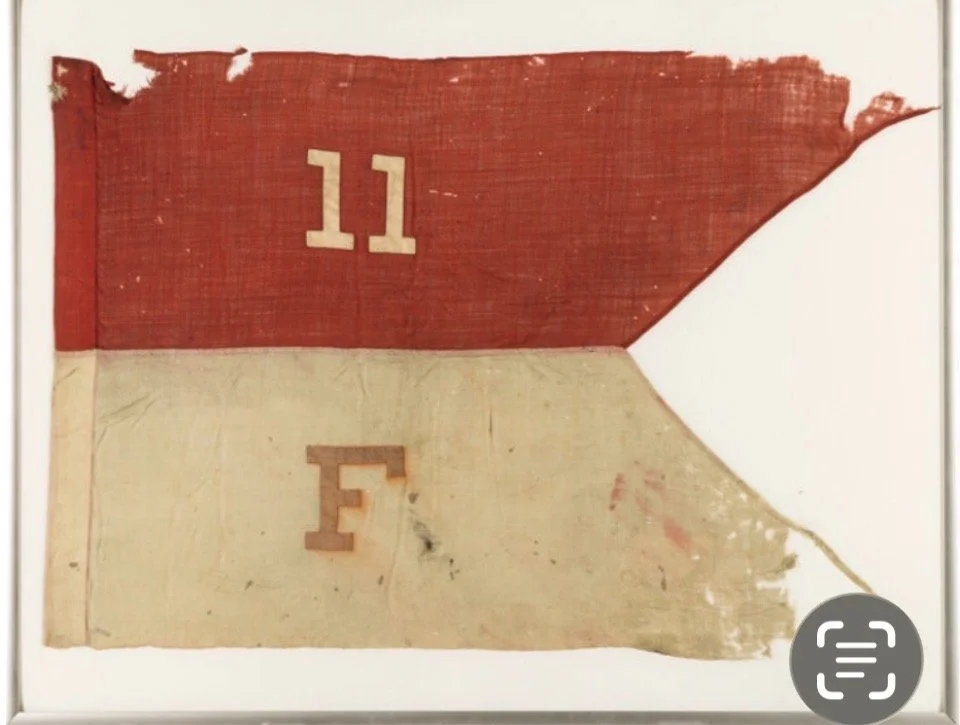 Image 3 of 17
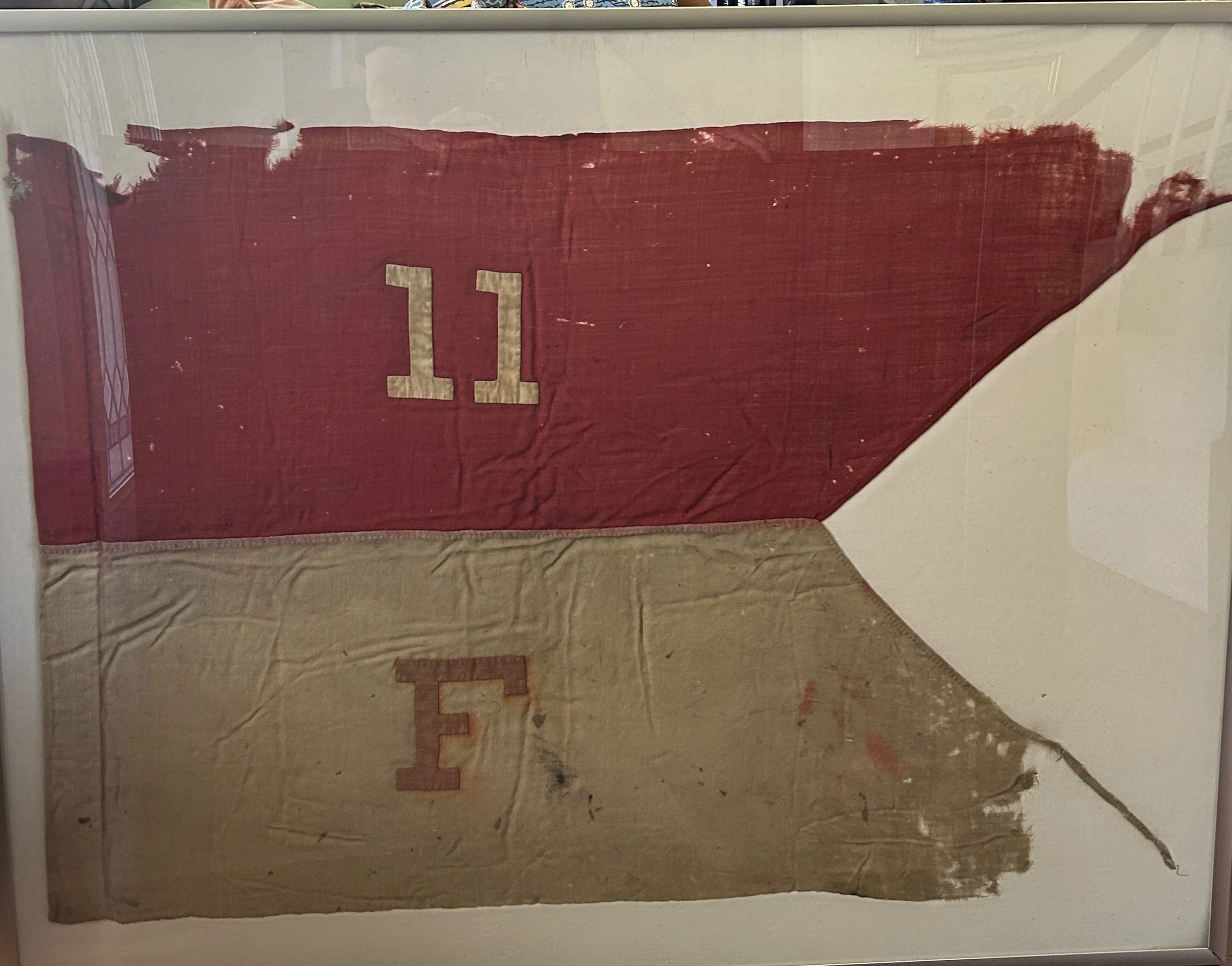 Image 4 of 17
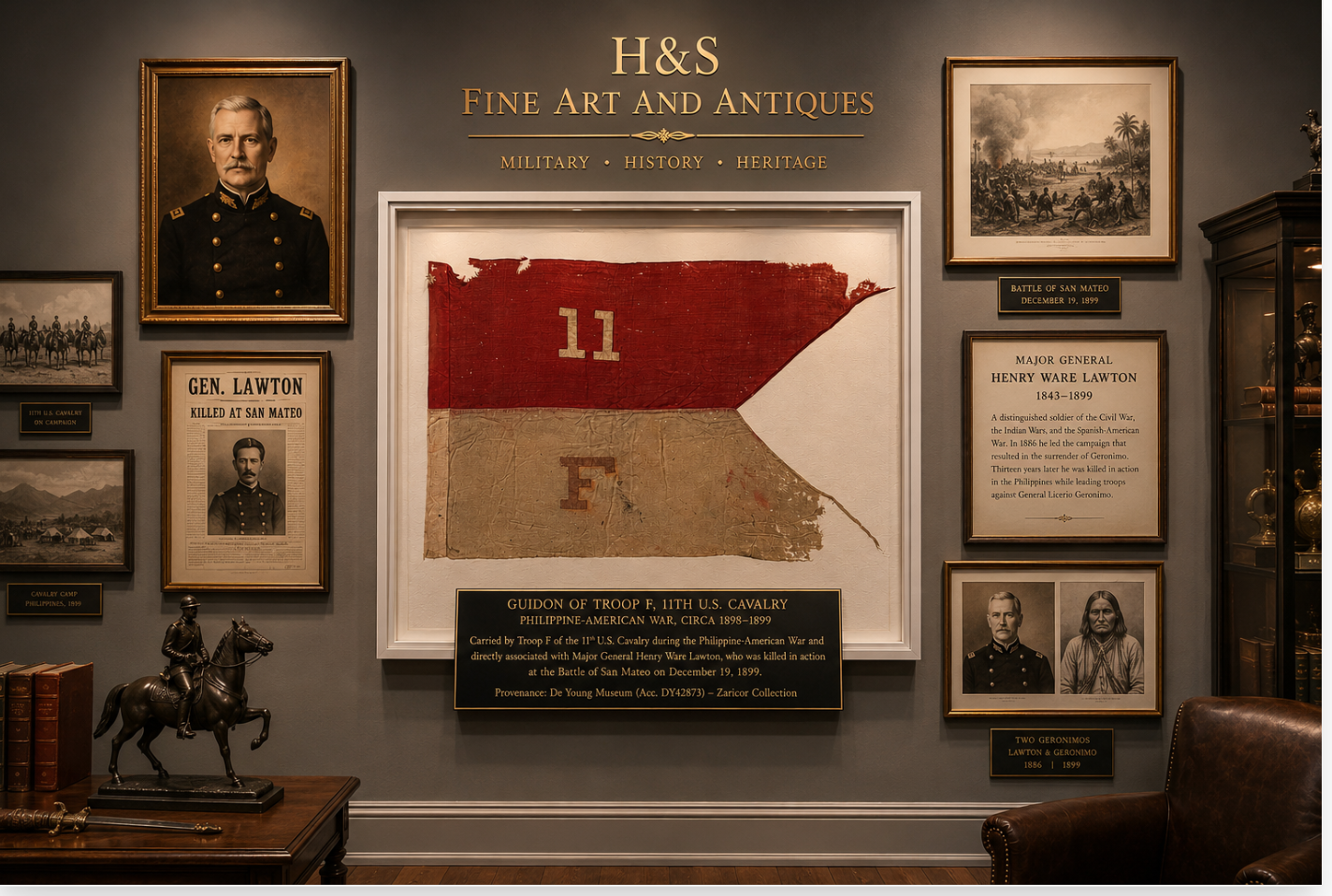 Image 5 of 17
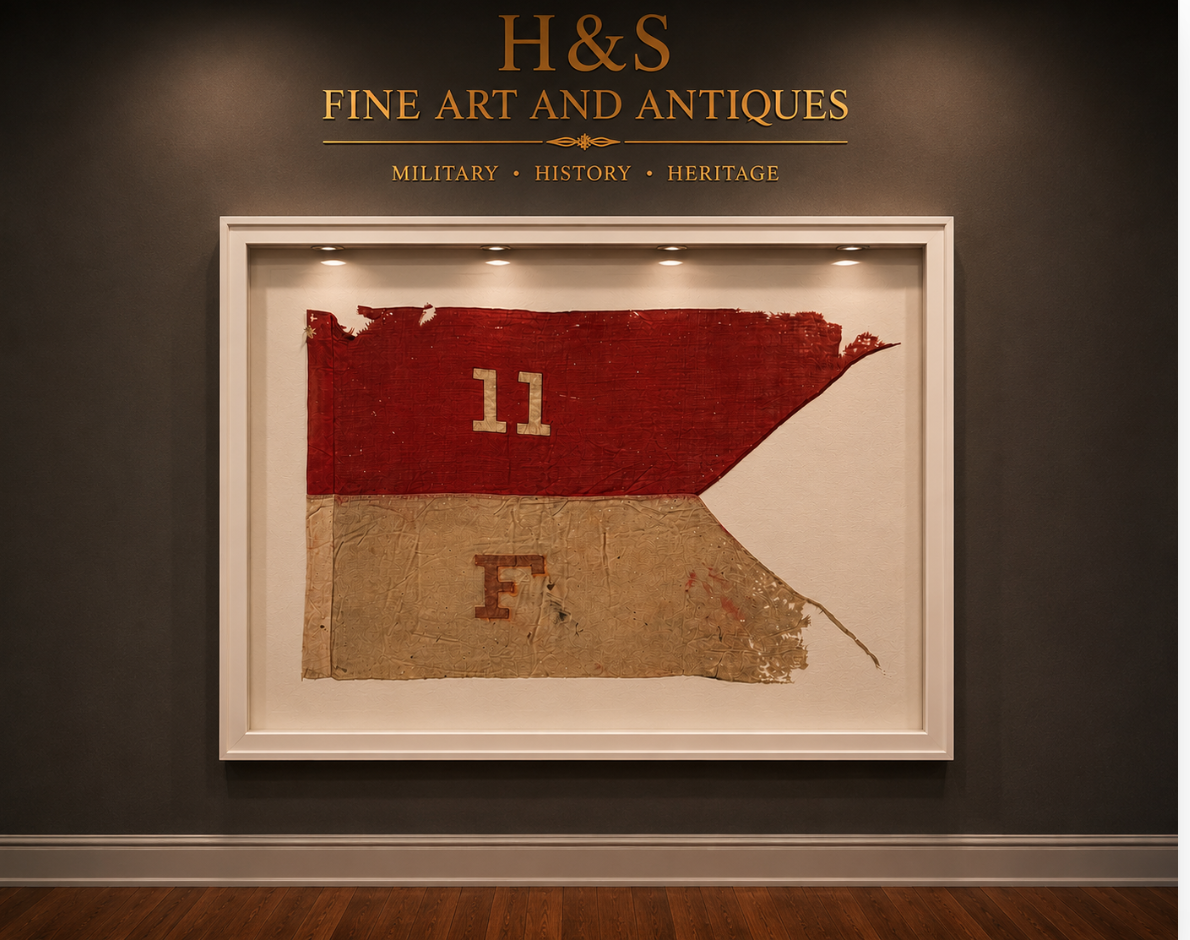 Image 6 of 17
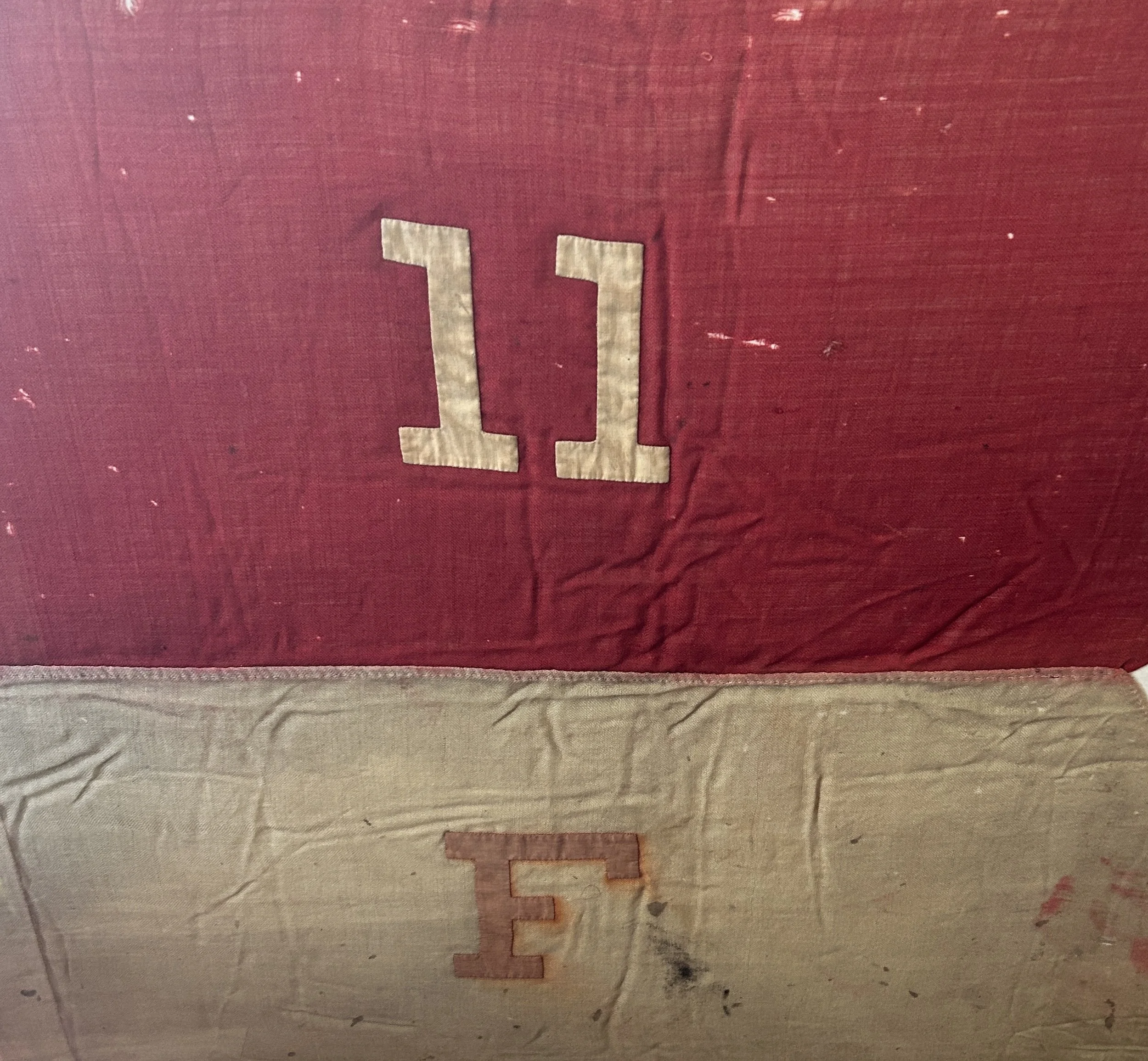 Image 7 of 17
 Image 8 of 17
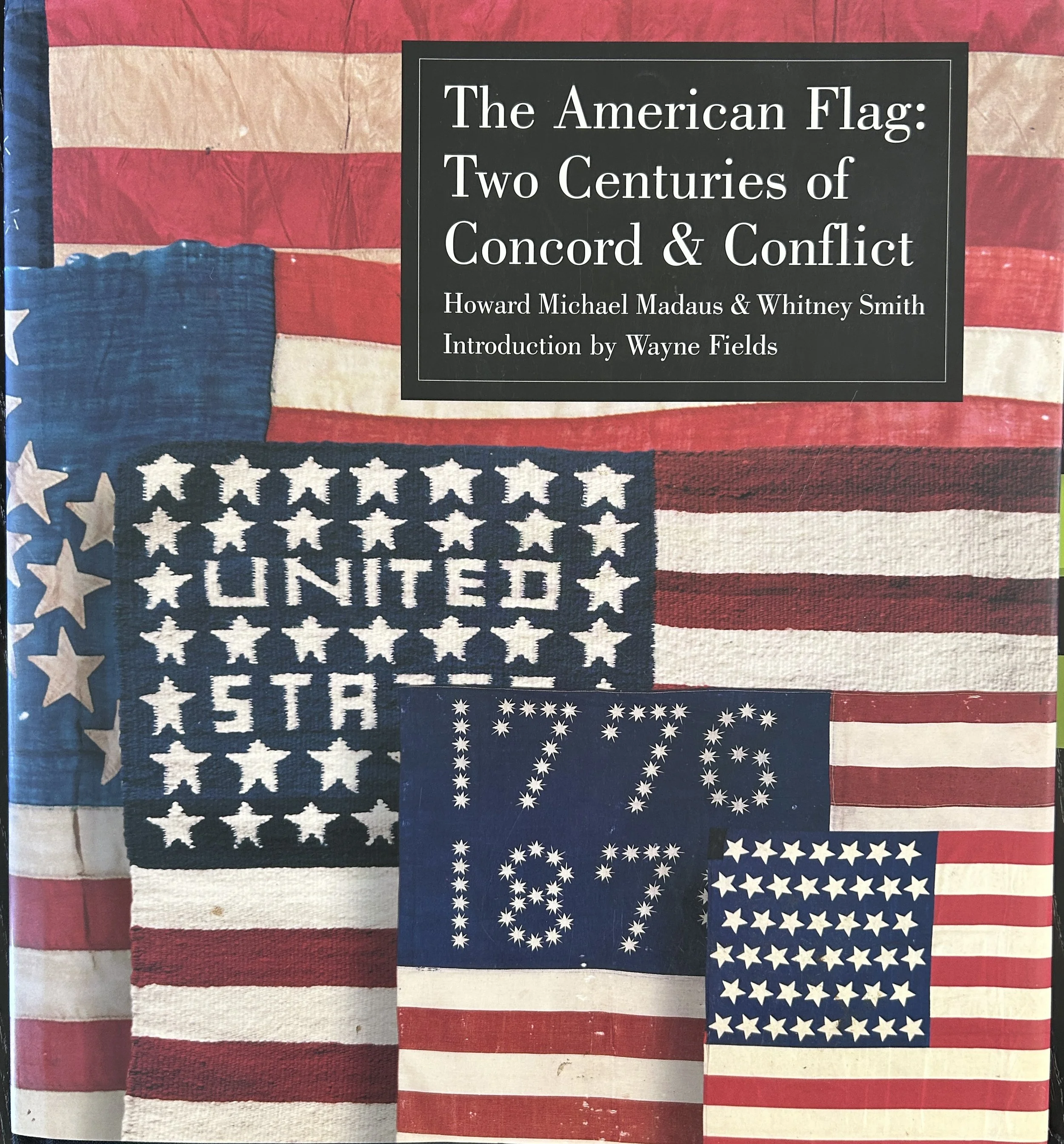 Image 9 of 17
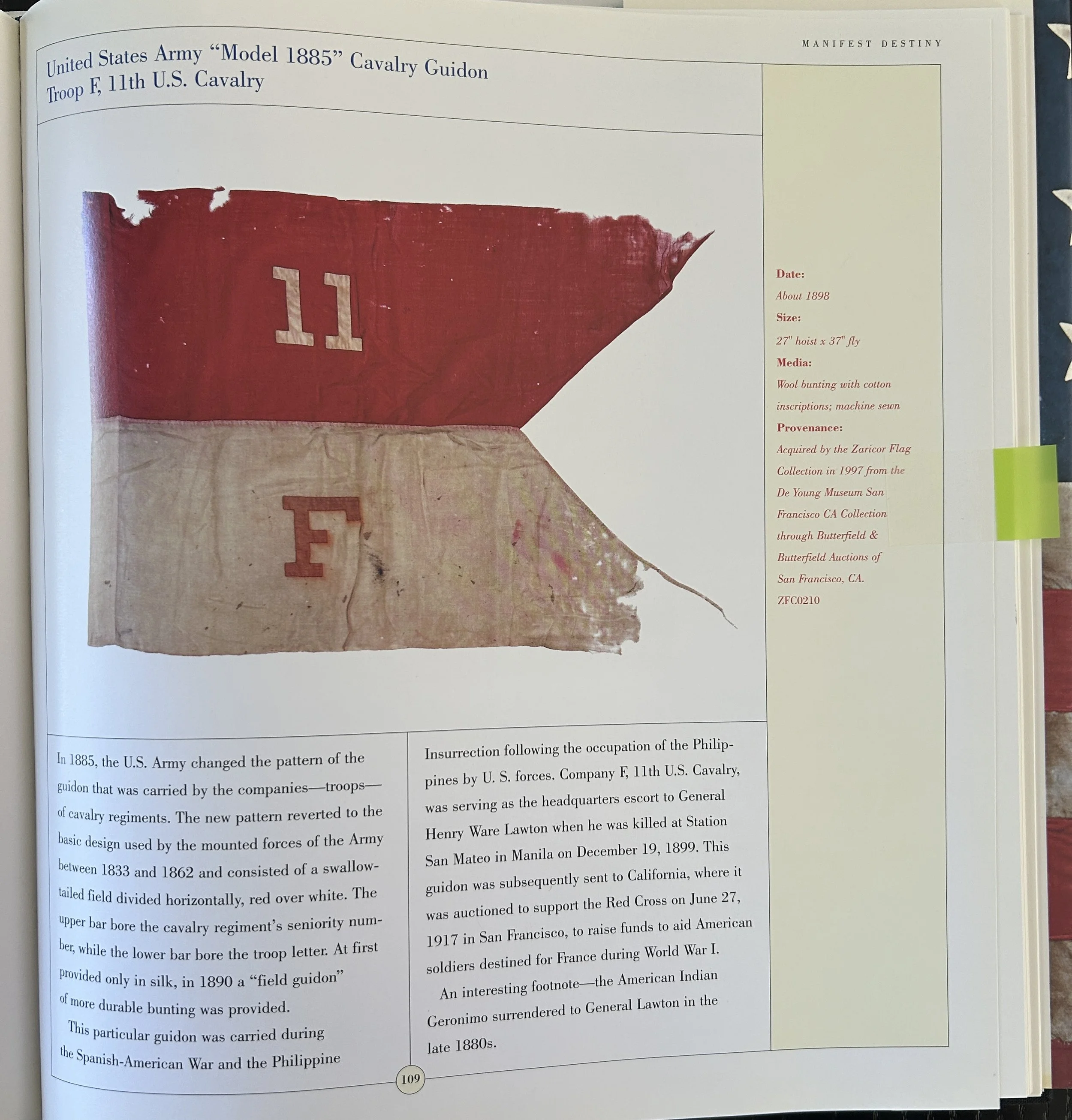 Image 10 of 17
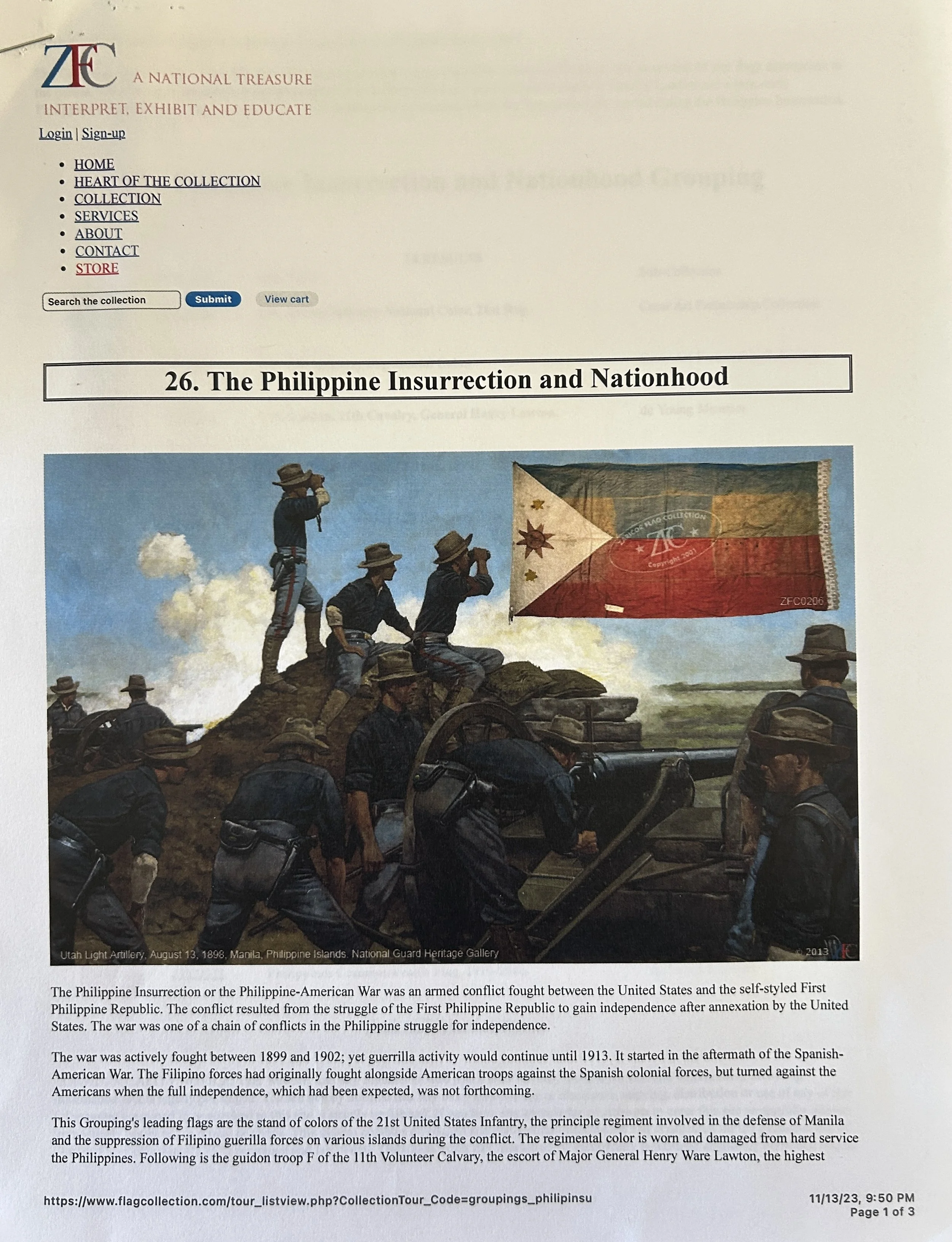 Image 11 of 17
 Image 12 of 17
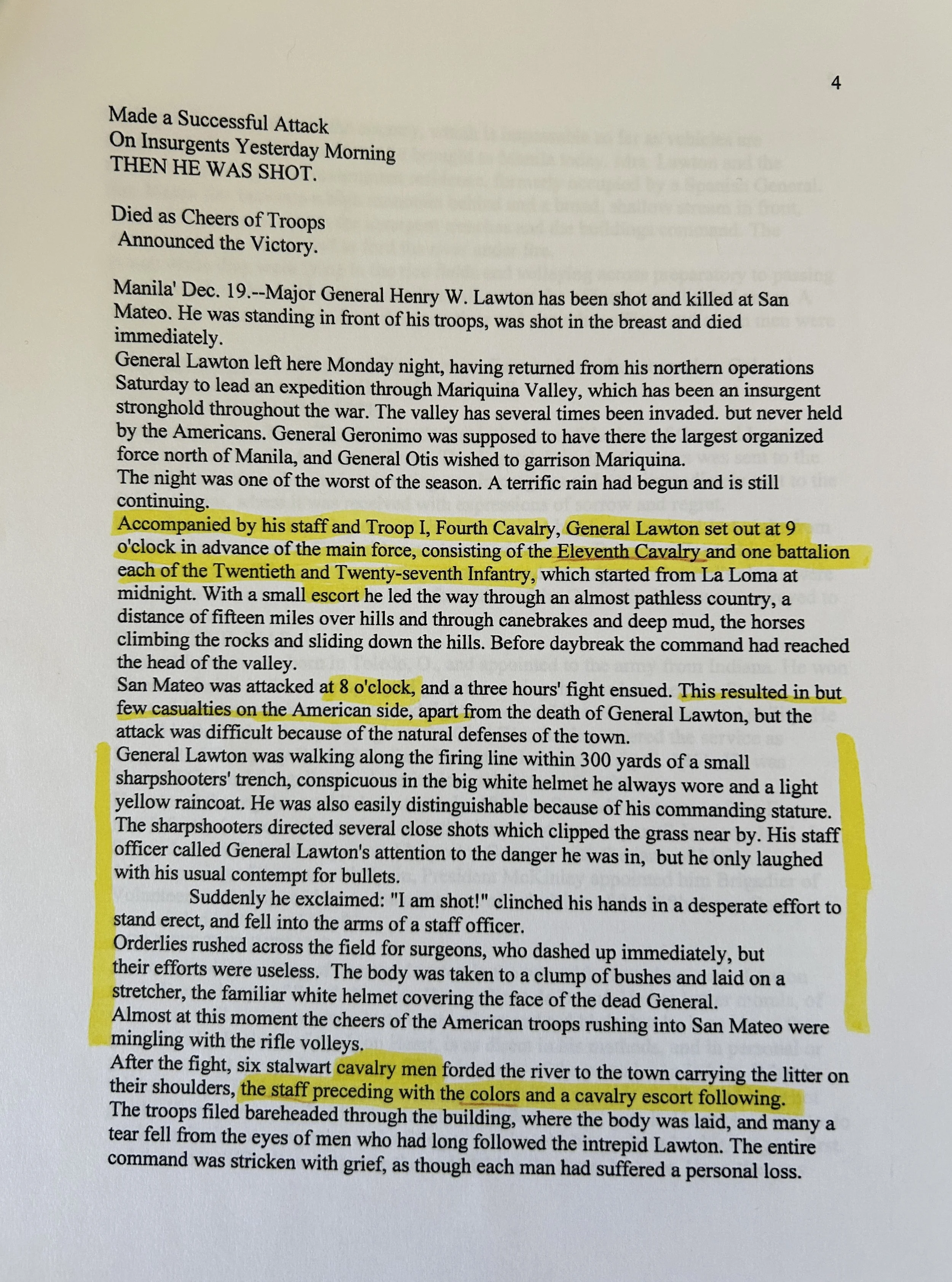 Image 13 of 17
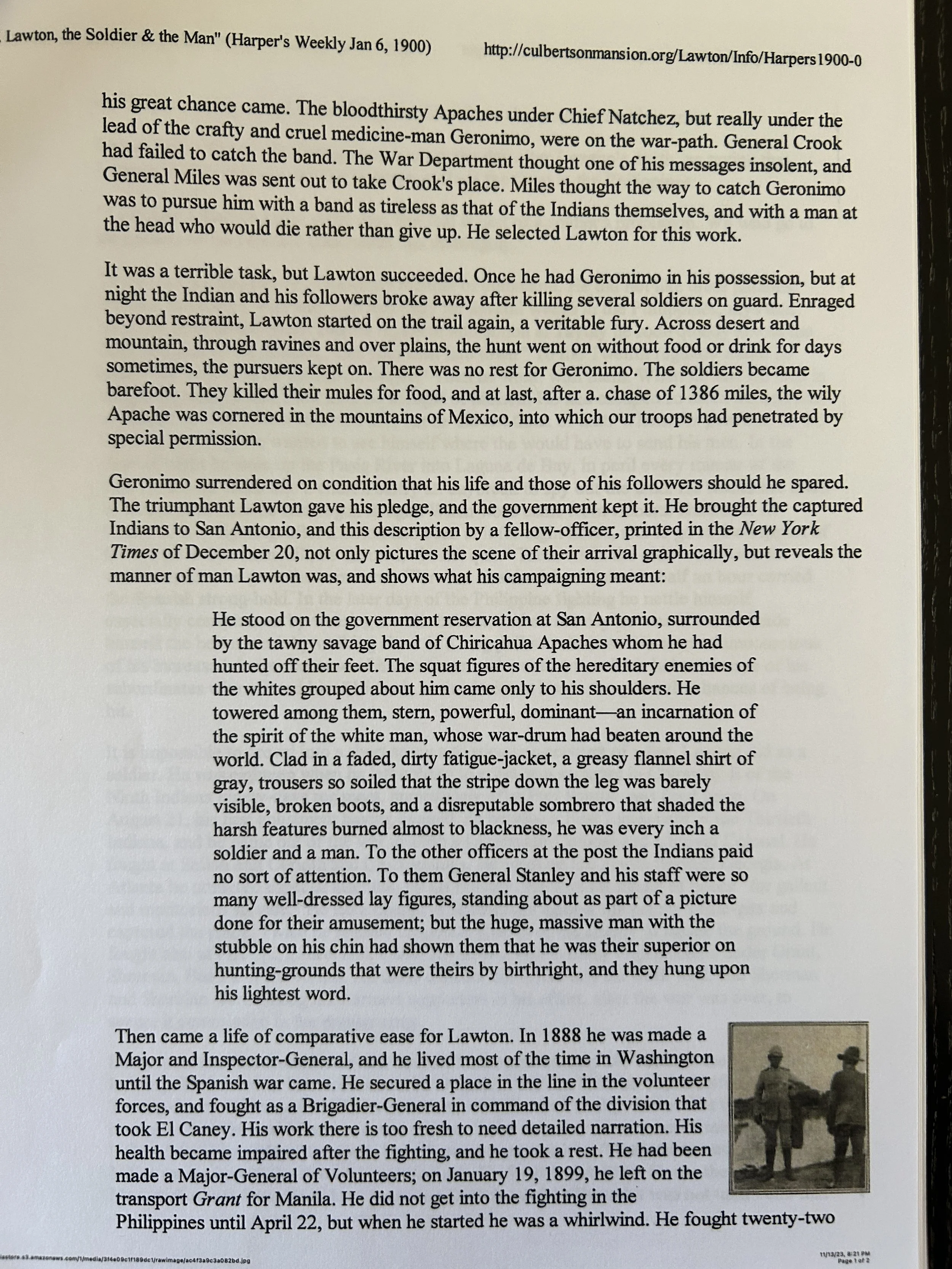 Image 14 of 17
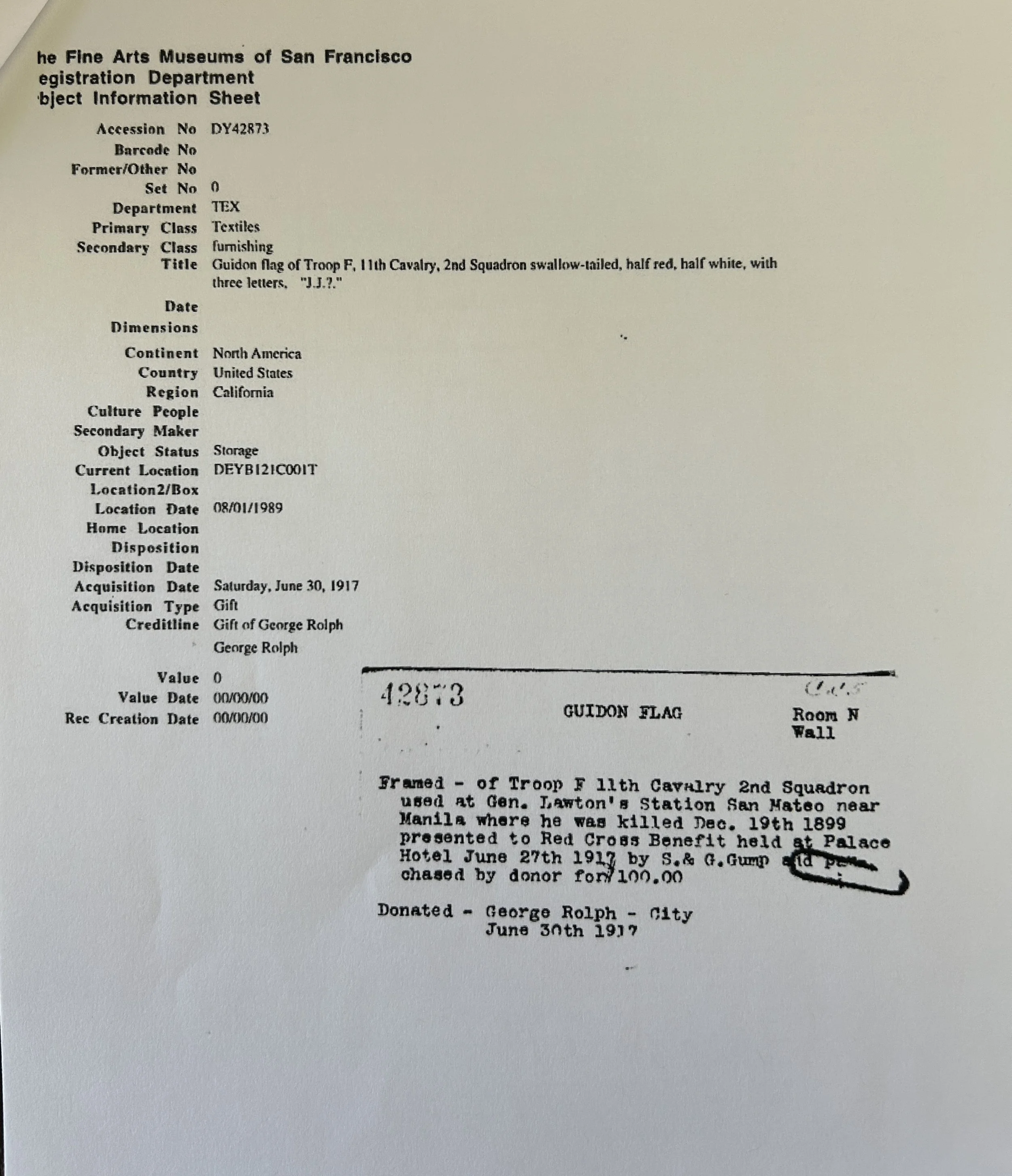 Image 15 of 17
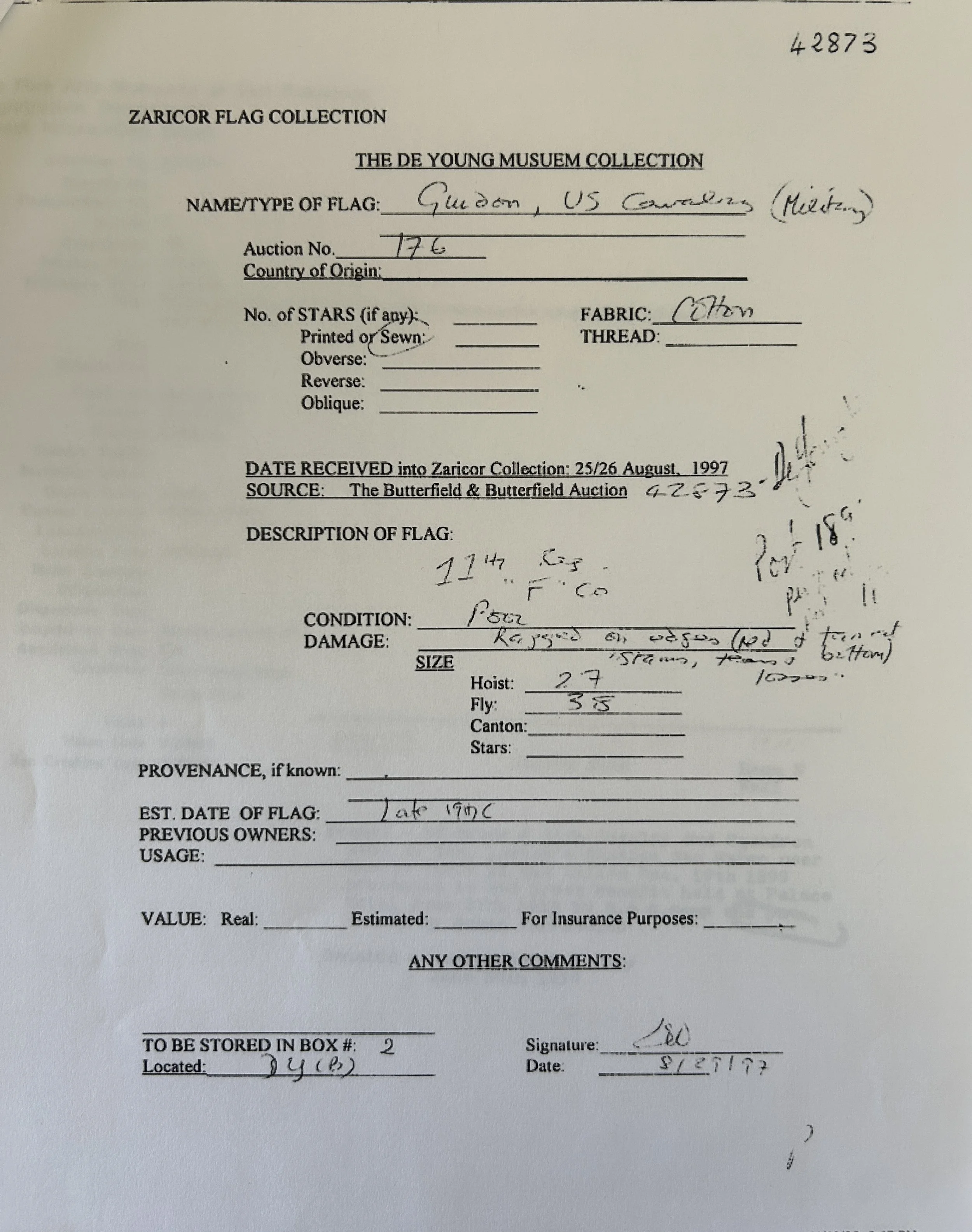 Image 16 of 17
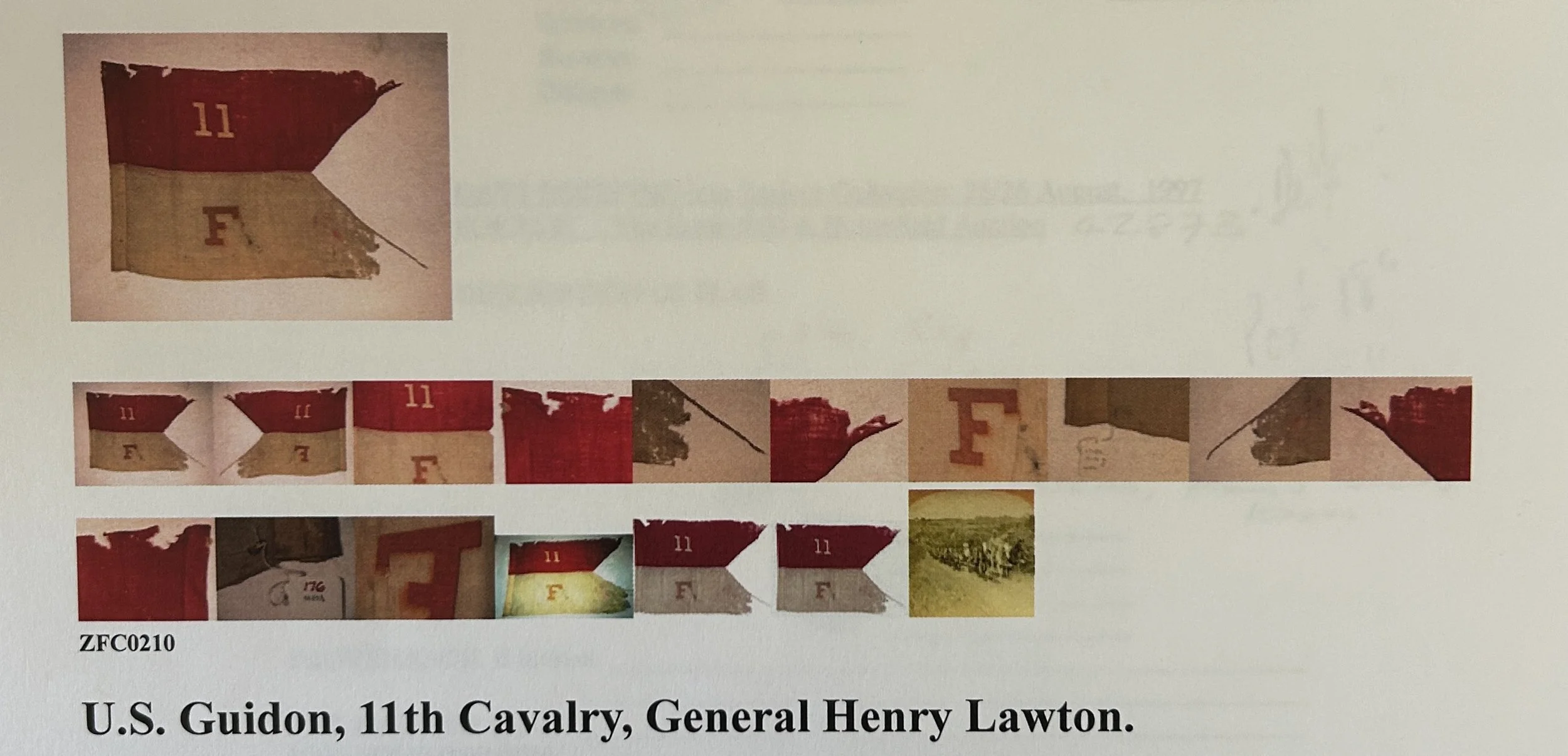 Image 17 of 17