 Image 1 of 3
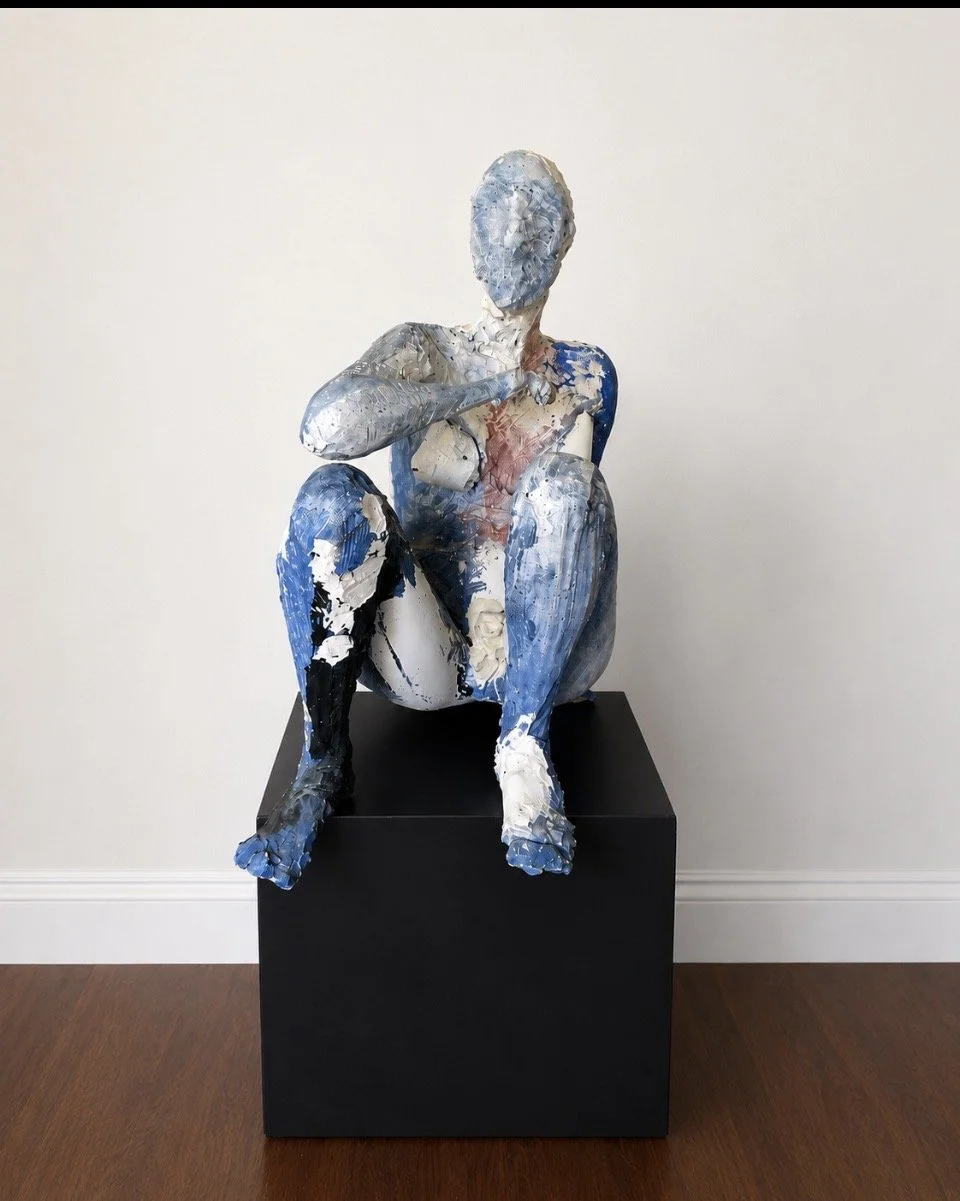 Image 2 of 3
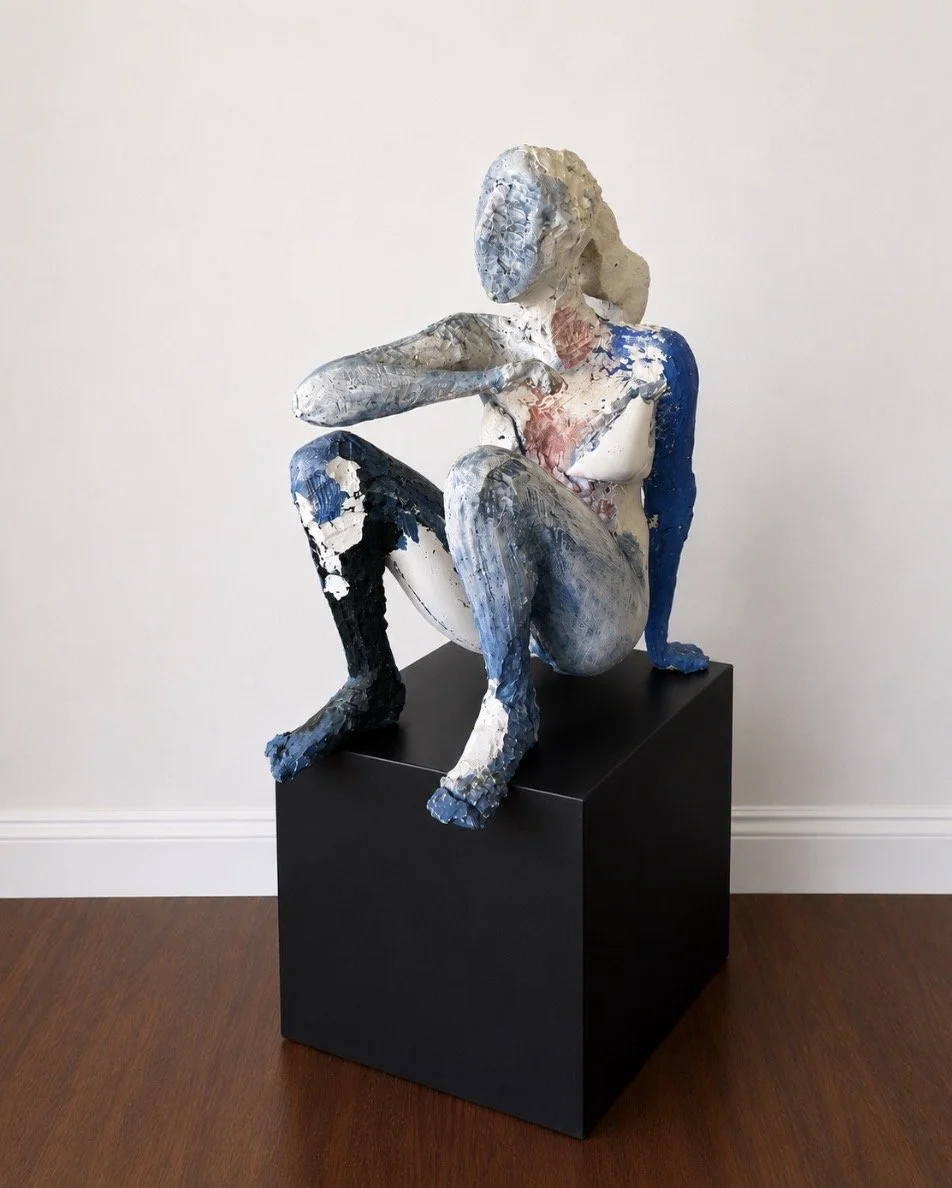 Image 3 of 3
MANUEL NERI (1930–2021)
Blue Blond, 1979
Painted Plaster
33 x 26½ x 26½ inches
Provenance
Gallery Paule Anglim, San Francisco
Acquired directly from the above in 1979 by Byron R. Meyer
Collection of Byron R. Meyer, San Francisco, California
Exhibited
San Francisco, Gallery Paule Anglim, Manuel Neri, July–August 1979
Literature
Manuel Neri & The Assertion of Modern Figurative Sculpture, The Anderson Collection at Stanford University, 2017, no. 210, p. 126, illustrated in color.
Among the most influential sculptors of postwar America, Manuel Neri occupies a singular place in the history of modern art. A leading figure of the Bay Area Figurative Movement, Neri devoted more than six decades to the exploration of the human form, creating works that bridge the worlds of painting and sculpture with extraordinary emotional power.
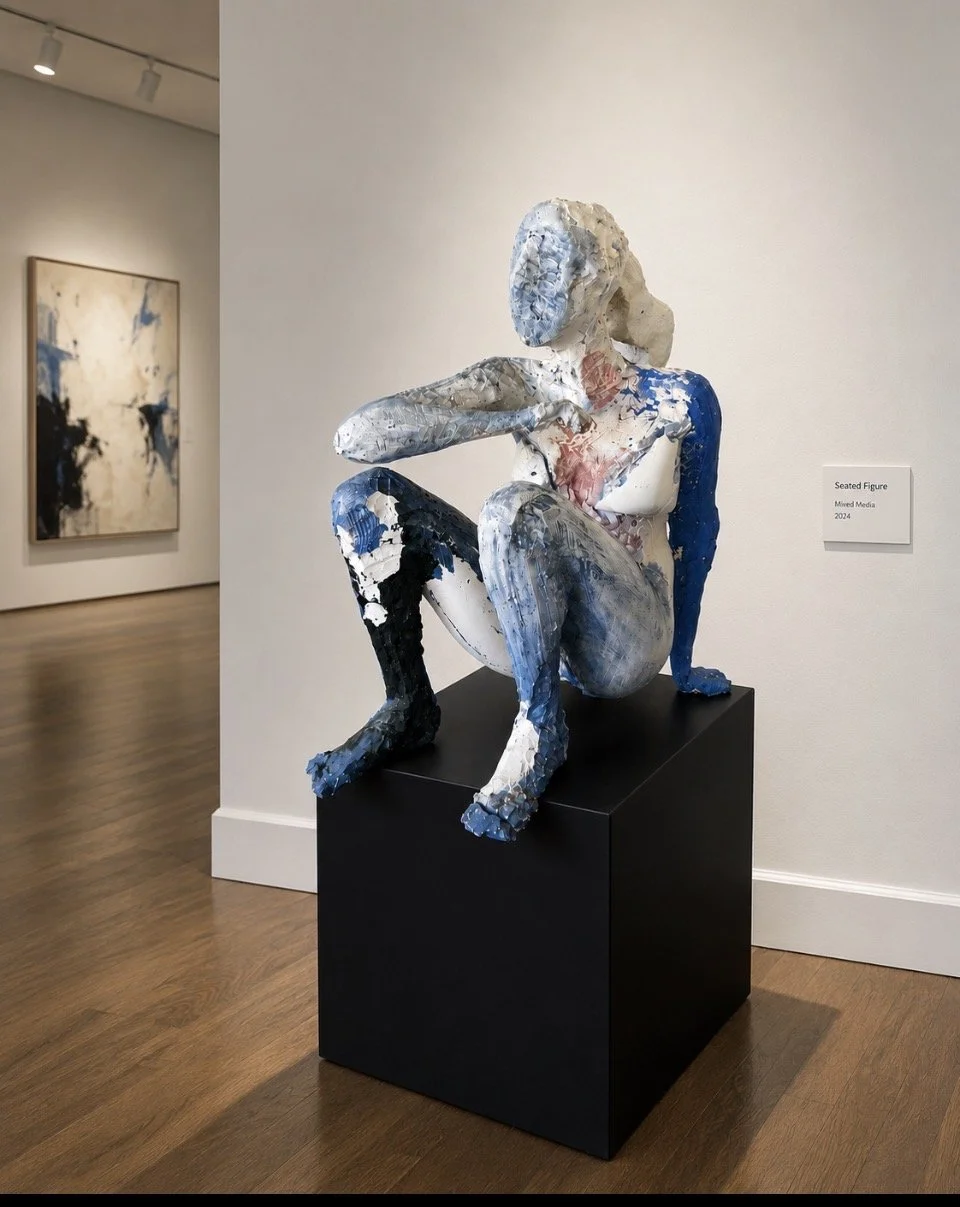
Executed in 1979, Blue Blond belongs to the artist's mature period, a time widely regarded as one of the most accomplished phases of his career. The seated female figure, rendered in painted plaster with vibrant passages of blue and subtle accents of flesh tones, embodies the expressive surfaces and physical immediacy that distinguish Neri's work. Rather than pursuing classical perfection, the artist embraced rough textures and visible evidence of his hand, transforming the sculpture into a deeply personal and poetic meditation on the human figure.
Neri's sculptures possess a remarkable tension between fragility and permanence. The broken, heavily worked surfaces reveal the artist's process, while the application of color dissolves the traditional boundaries between painting and sculpture. In Blue Blond, these elements combine to create a figure that is simultaneously monumental and intimate, contemplative and powerful.
This exceptional example carries distinguished provenance. Acquired directly from the renowned Gallery Paule Anglim in San Francisco in 1979, the sculpture remained in the celebrated collection of Byron R. Meyer for nearly five decades. It was exhibited at Gallery Paule Anglim during the year of its creation and later included in the landmark 2017 Stanford University exhibition and publication, Manuel Neri & The Assertion of Modern Figurative Sculpture, further securing its place within the scholarly record.
Today, Manuel Neri's works reside in the permanent collections of major institutions including the San Francisco Museum of Modern Art, the Whitney Museum of American Art, the Metropolitan Museum of Art, the National Gallery of Art, and numerous other museums throughout the United States.
Combining important exhibition history, continuous ownership, distinguished provenance, and inclusion in the scholarly literature, Blue Blond represents an outstanding example of Manuel Neri's enduring contribution to twentieth-century American sculpture.
MANUEL NERI (1930–2021)
Blue Blond, 1979
Painted Plaster
33 x 26½ x 26½ inches
Provenance
Gallery Paule Anglim, San Francisco
Acquired directly from the above in 1979 by Byron R. Meyer
Collection of Byron R. Meyer, San Francisco, California
Exhibited
San Francisco, Gallery Paule Anglim, Manuel Neri, July–August 1979
Literature
Manuel Neri & The Assertion of Modern Figurative Sculpture, The Anderson Collection at Stanford University, 2017, no. 210, p. 126, illustrated in color.
Among the most influential sculptors of postwar America, Manuel Neri occupies a singular place in the history of modern art. A leading figure of the Bay Area Figurative Movement, Neri devoted more than six decades to the exploration of the human form, creating works that bridge the worlds of painting and sculpture with extraordinary emotional power.
Executed in 1979, Blue Blond belongs to the artist's mature period, a time widely regarded as one of the most accomplished phases of his career. The seated female figure, rendered in painted plaster with vibrant passages of blue and subtle accents of flesh tones, embodies the expressive surfaces and physical immediacy that distinguish Neri's work. Rather than pursuing classical perfection, the artist embraced rough textures and visible evidence of his hand, transforming the sculpture into a deeply personal and poetic meditation on the human figure.
Neri's sculptures possess a remarkable tension between fragility and permanence. The broken, heavily worked surfaces reveal the artist's process, while the application of color dissolves the traditional boundaries between painting and sculpture. In Blue Blond, these elements combine to create a figure that is simultaneously monumental and intimate, contemplative and powerful.
This exceptional example carries distinguished provenance. Acquired directly from the renowned Gallery Paule Anglim in San Francisco in 1979, the sculpture remained in the celebrated collection of Byron R. Meyer for nearly five decades. It was exhibited at Gallery Paule Anglim during the year of its creation and later included in the landmark 2017 Stanford University exhibition and publication, Manuel Neri & The Assertion of Modern Figurative Sculpture, further securing its place within the scholarly record.
Today, Manuel Neri's works reside in the permanent collections of major institutions including the San Francisco Museum of Modern Art, the Whitney Museum of American Art, the Metropolitan Museum of Art, the National Gallery of Art, and numerous other museums throughout the United States.
Combining important exhibition history, continuous ownership, distinguished provenance, and inclusion in the scholarly literature, Blue Blond represents an outstanding example of Manuel Neri's enduring contribution to twentieth-century American sculpture.