Edward Lamson Henry (1841–1919)
Country Road
Oil on panel, 11 × 8¼ inches
Property from the Westervelt Company.
Exhibition Essay
A Vision of America Remembered
Few American artists captured the poetry and nostalgia of nineteenth-century rural life with greater sensitivity than Edward Lamson Henry. In Country Road, Henry presents a quiet woodland lane winding into the distance beneath autumn trees. A solitary carriage appears almost imperceptibly along the road, inviting viewers into a scene that feels suspended between memory and reality.
The painting's modest scale encourages intimate viewing. Rather than presenting a grand historical event, Henry focuses on an ordinary moment: a traveler journeying through the countryside on a peaceful afternoon. Yet within this simplicity lies the artist's central achievement. Henry transformed everyday scenes into visual elegies for a disappearing America.
The composition demonstrates his remarkable understanding of atmosphere and narrative. The road acts as a compositional guide, leading the eye inward through layers of foliage and shadow. The towering tree at right becomes both a physical anchor and a symbolic guardian of the landscape. The distant carriage introduces an element of human presence while preserving the solitude and contemplative mood of the scene.
The painting embodies themes that occupied Henry throughout his career:
By the late nineteenth century, railroads, factories, and rapidly expanding cities were transforming the American landscape. Henry responded by preserving on canvas the quiet roads, stagecoaches, and pastoral scenery that many Americans feared were disappearing forever.
The Artist
Edward Lamson Henry was born in Charleston, South Carolina, on January 12, 1841. Orphaned by the age of seven, he was raised by relatives in New York City, where his artistic abilities became evident at an early age.
He studied at the prestigious:
While studying in Paris, Henry was part of the same artistic milieu that included:
Claude Monet
Pierre-Auguste Renoir
Frédéric Bazille
Alfred Sisley
Unlike the emerging Impressionists, however, Henry remained devoted to precise draftsmanship and narrative realism throughout his career.
The Civil War and Its Influence
In 1862, Henry returned to America and served as a clerk aboard Union transport ships during the Civil War. The experience profoundly shaped his artistic vision. He filled sketchbooks with observations of soldiers, transportation, and Southern landscapes that later informed his paintings.
His paintings possess unusual historical authenticity because he was himself a direct witness to many of the environments he depicted.
The Colonial Revival Movement
Henry became one of the leading painters of the Colonial Revival movement. During the Gilded Age, Americans increasingly looked backward toward an idealized, pre-industrial past. Henry supplied these memories through paintings of:
Country roads
Stagecoaches
Railroad stations
Rural villages
Colonial architecture
Agricultural landscapes
Art historian William T. Oedel observed that perhaps no artist more consistently served America's "cult of nostalgia" than Edward Lamson Henry.
The Location
Although Country Road bears no specific geographic title, it is highly consistent with landscapes surrounding:
Cragsmoor
Ellenville
Shawangunk Mountains
Hudson Valley
In 1884 Henry and his wife settled in Cragsmoor and helped establish one of America's important artist colonies. The wooded roads, stone culverts, and autumn foliage in this painting closely resemble the scenery surrounding his home and studio.
Henry often made long excursions through the countryside, sketching roads and collecting visual information. Contemporary writers remarked that he traveled extensively in search of historically and geographically accurate details.
Artistic Significance of Country Road
The painting demonstrates several characteristics that define Henry's mature style:
Narrative Suggestion
The small carriage introduces an implied story. Who travels this road? Where are they going? Henry leaves these questions unanswered, encouraging contemplation.
Mastery of Atmosphere
The filtered sunlight and muted autumn palette create a sense of calm and reflection.
Historical Memory
The absence of modern development places the scene in an idealized America before industrialization.
Human Scale
The tiny carriage emphasizes the grandeur and permanence of nature.
The work becomes both landscape and historical meditation.
Provenance
The Barnacle Gallery; The Barnacle Gallery became known for handling important examples of nineteenth-century American painting and works associated with the Hudson Valley and Catskill artistic tradition.
Property from The Westervelt Company
The painting subsequently entered the distinguished corporate collection of The Westervelt Company.
This provenance establishes a documented and continuous chain of ownership and associates the painting with institutions that have historically appreciated America's artistic and natural heritage.
Museum Collections
Works by Edward Lamson Henry reside in major American museums, including:
Metropolitan Museum of Art
Smithsonian American Art Museum
New-York Historical Society
Terra Foundation for American Art
New Britain Museum of American Art
Charles Hosmer Morse Museum of American Art
Museum of Fine Arts, Boston.
Related Museum Masterpiece
Among Henry's most celebrated works is:
The 9:45 Accommodation
The painting depicts passengers boarding an early train and has become one of the iconic images of nineteenth-century American life. Versions reside in the Metropolitan Museum of Art and the Charles Hosmer Morse Museum of American Art.
Literature and References
Important publications concerning the artist include:
Elizabeth McCausland, The Life and Work of Edward Lamson Henry, N.A., 1841–1919 (University of the State of New York, 1945).
William T. Oedel, Selections from the American Collection of the Museum of Fine Arts and the George Walter Vincent Smith Art Museum (1999).
Valerie Ann Leeds, "Railroad Ties: Edward Lamson Henry, The 9:45 a.m. Accommodation in Context," Nineteenth Century Art Worldwide (2021).
American Paintings & Historical Prints from the Middendorf Collection, Metropolitan Museum of Art exhibition catalogue.
Smithsonian American Art Museum collection materials on Henry and American genre painting.
.
Edward Lamson Henry (1841–1919)
Country Road
Oil on panel, 11 × 8¼ inches
Property from the Westervelt Company.
Exhibition Essay
A Vision of America Remembered
Few American artists captured the poetry and nostalgia of nineteenth-century rural life with greater sensitivity than Edward Lamson Henry. In Country Road, Henry presents a quiet woodland lane winding into the distance beneath autumn trees. A solitary carriage appears almost imperceptibly along the road, inviting viewers into a scene that feels suspended between memory and reality.
The painting's modest scale encourages intimate viewing. Rather than presenting a grand historical event, Henry focuses on an ordinary moment: a traveler journeying through the countryside on a peaceful afternoon. Yet within this simplicity lies the artist's central achievement. Henry transformed everyday scenes into visual elegies for a disappearing America.
The composition demonstrates his remarkable understanding of atmosphere and narrative. The road acts as a compositional guide, leading the eye inward through layers of foliage and shadow. The towering tree at right becomes both a physical anchor and a symbolic guardian of the landscape. The distant carriage introduces an element of human presence while preserving the solitude and contemplative mood of the scene.
The painting embodies themes that occupied Henry throughout his career:
By the late nineteenth century, railroads, factories, and rapidly expanding cities were transforming the American landscape. Henry responded by preserving on canvas the quiet roads, stagecoaches, and pastoral scenery that many Americans feared were disappearing forever.
The Artist
Edward Lamson Henry was born in Charleston, South Carolina, on January 12, 1841. Orphaned by the age of seven, he was raised by relatives in New York City, where his artistic abilities became evident at an early age.
He studied at the prestigious:
While studying in Paris, Henry was part of the same artistic milieu that included:
Claude Monet
Pierre-Auguste Renoir
Frédéric Bazille
Alfred Sisley
Unlike the emerging Impressionists, however, Henry remained devoted to precise draftsmanship and narrative realism throughout his career.
The Civil War and Its Influence
In 1862, Henry returned to America and served as a clerk aboard Union transport ships during the Civil War. The experience profoundly shaped his artistic vision. He filled sketchbooks with observations of soldiers, transportation, and Southern landscapes that later informed his paintings.
His paintings possess unusual historical authenticity because he was himself a direct witness to many of the environments he depicted.
The Colonial Revival Movement
Henry became one of the leading painters of the Colonial Revival movement. During the Gilded Age, Americans increasingly looked backward toward an idealized, pre-industrial past. Henry supplied these memories through paintings of:
Country roads
Stagecoaches
Railroad stations
Rural villages
Colonial architecture
Agricultural landscapes
Art historian William T. Oedel observed that perhaps no artist more consistently served America's "cult of nostalgia" than Edward Lamson Henry.
The Location
Although Country Road bears no specific geographic title, it is highly consistent with landscapes surrounding:
Cragsmoor
Ellenville
Shawangunk Mountains
Hudson Valley
In 1884 Henry and his wife settled in Cragsmoor and helped establish one of America's important artist colonies. The wooded roads, stone culverts, and autumn foliage in this painting closely resemble the scenery surrounding his home and studio.
Henry often made long excursions through the countryside, sketching roads and collecting visual information. Contemporary writers remarked that he traveled extensively in search of historically and geographically accurate details.
Artistic Significance of Country Road
The painting demonstrates several characteristics that define Henry's mature style:
Narrative Suggestion
The small carriage introduces an implied story. Who travels this road? Where are they going? Henry leaves these questions unanswered, encouraging contemplation.
Mastery of Atmosphere
The filtered sunlight and muted autumn palette create a sense of calm and reflection.
Historical Memory
The absence of modern development places the scene in an idealized America before industrialization.
Human Scale
The tiny carriage emphasizes the grandeur and permanence of nature.
The work becomes both landscape and historical meditation.
Provenance
The Barnacle Gallery; The Barnacle Gallery became known for handling important examples of nineteenth-century American painting and works associated with the Hudson Valley and Catskill artistic tradition.
Property from The Westervelt Company
The painting subsequently entered the distinguished corporate collection of The Westervelt Company.
This provenance establishes a documented and continuous chain of ownership and associates the painting with institutions that have historically appreciated America's artistic and natural heritage.
Museum Collections
Works by Edward Lamson Henry reside in major American museums, including:
Metropolitan Museum of Art
Smithsonian American Art Museum
New-York Historical Society
Terra Foundation for American Art
New Britain Museum of American Art
Charles Hosmer Morse Museum of American Art
Museum of Fine Arts, Boston.
Related Museum Masterpiece
Among Henry's most celebrated works is:
The 9:45 Accommodation
The painting depicts passengers boarding an early train and has become one of the iconic images of nineteenth-century American life. Versions reside in the Metropolitan Museum of Art and the Charles Hosmer Morse Museum of American Art.
Literature and References
Important publications concerning the artist include:
Elizabeth McCausland, The Life and Work of Edward Lamson Henry, N.A., 1841–1919 (University of the State of New York, 1945).
William T. Oedel, Selections from the American Collection of the Museum of Fine Arts and the George Walter Vincent Smith Art Museum (1999).
Valerie Ann Leeds, "Railroad Ties: Edward Lamson Henry, The 9:45 a.m. Accommodation in Context," Nineteenth Century Art Worldwide (2021).
American Paintings & Historical Prints from the Middendorf Collection, Metropolitan Museum of Art exhibition catalogue.
Smithsonian American Art Museum collection materials on Henry and American genre painting.
.
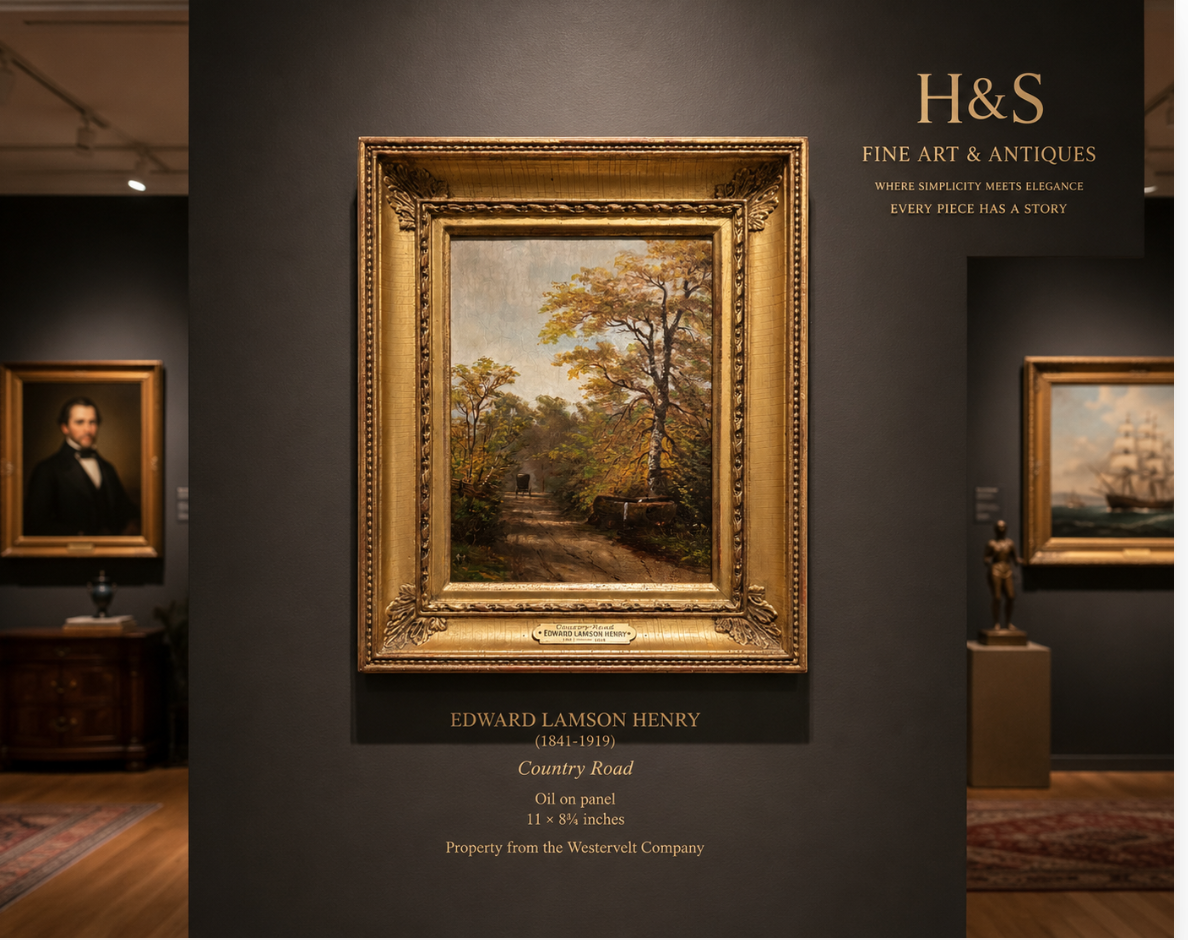 Image 1 of 5
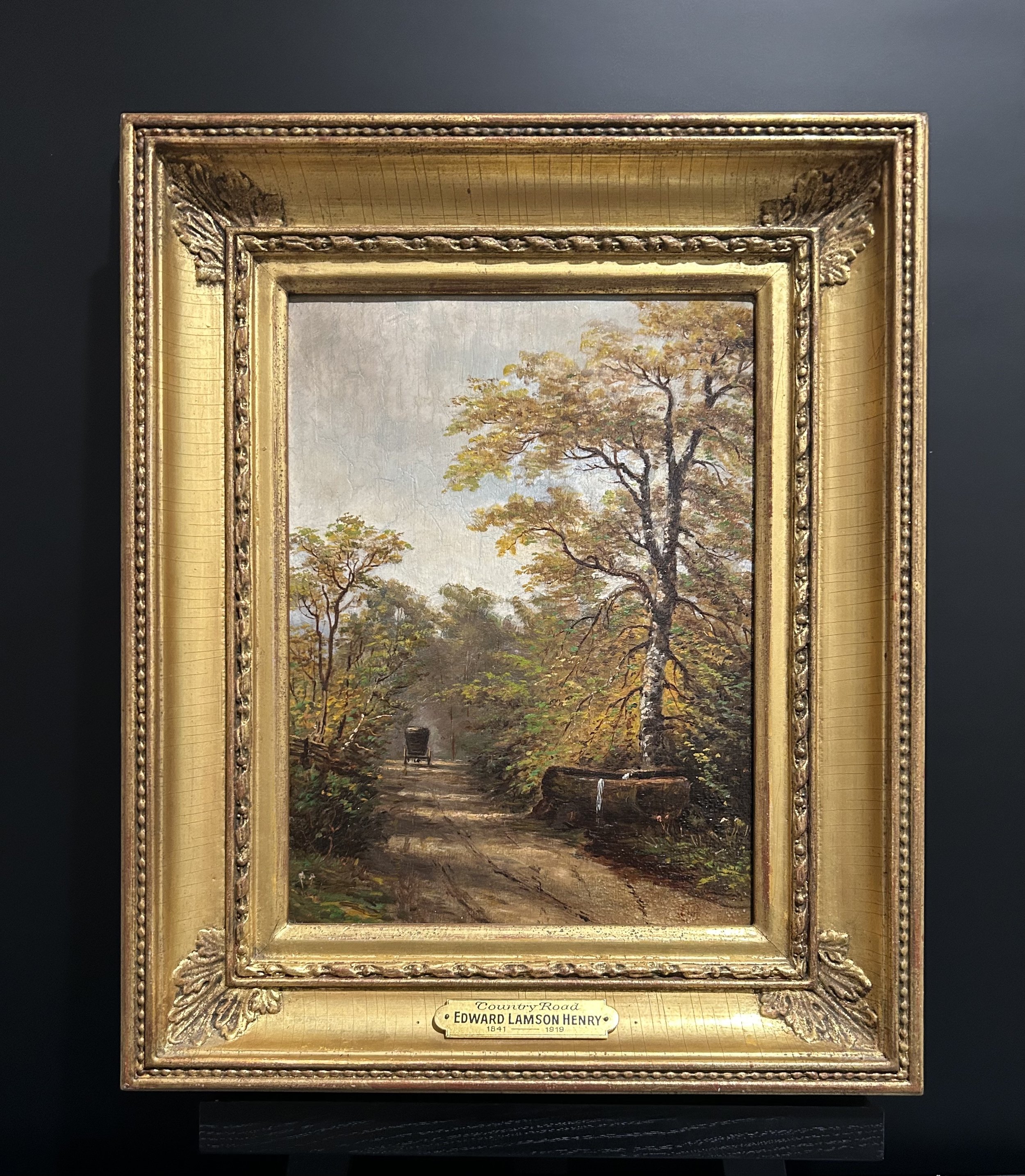 Image 2 of 5
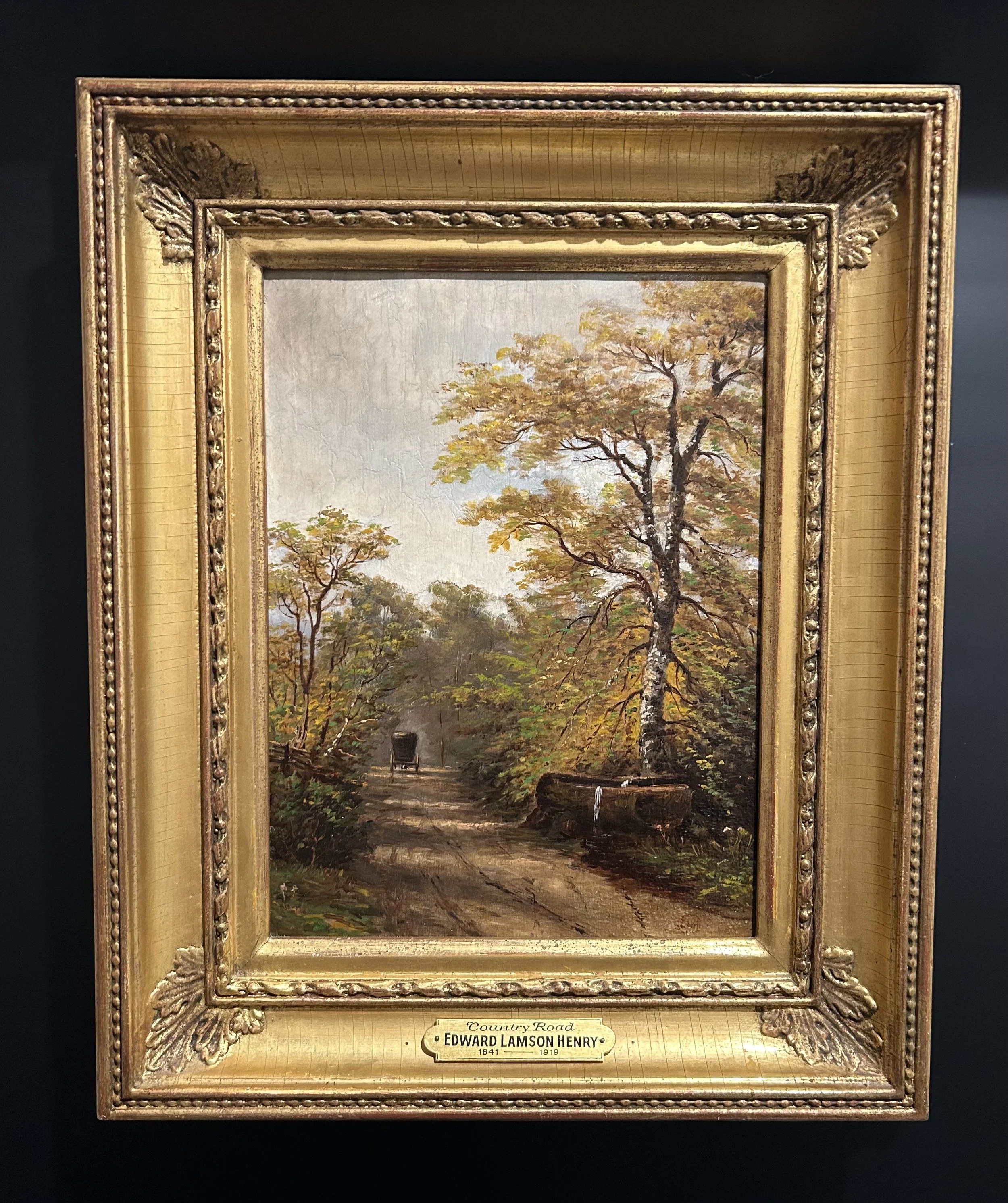 Image 3 of 5
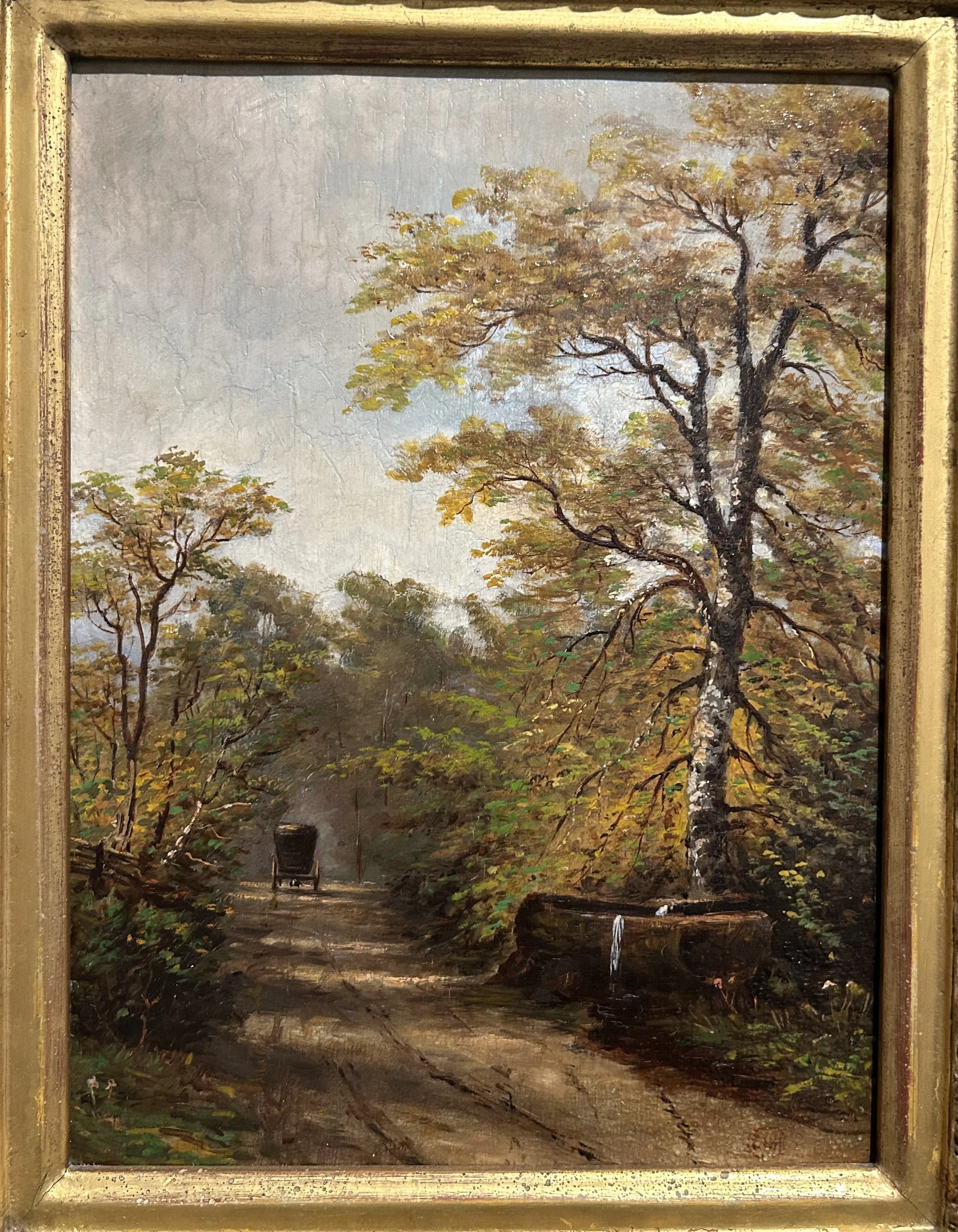 Image 4 of 5
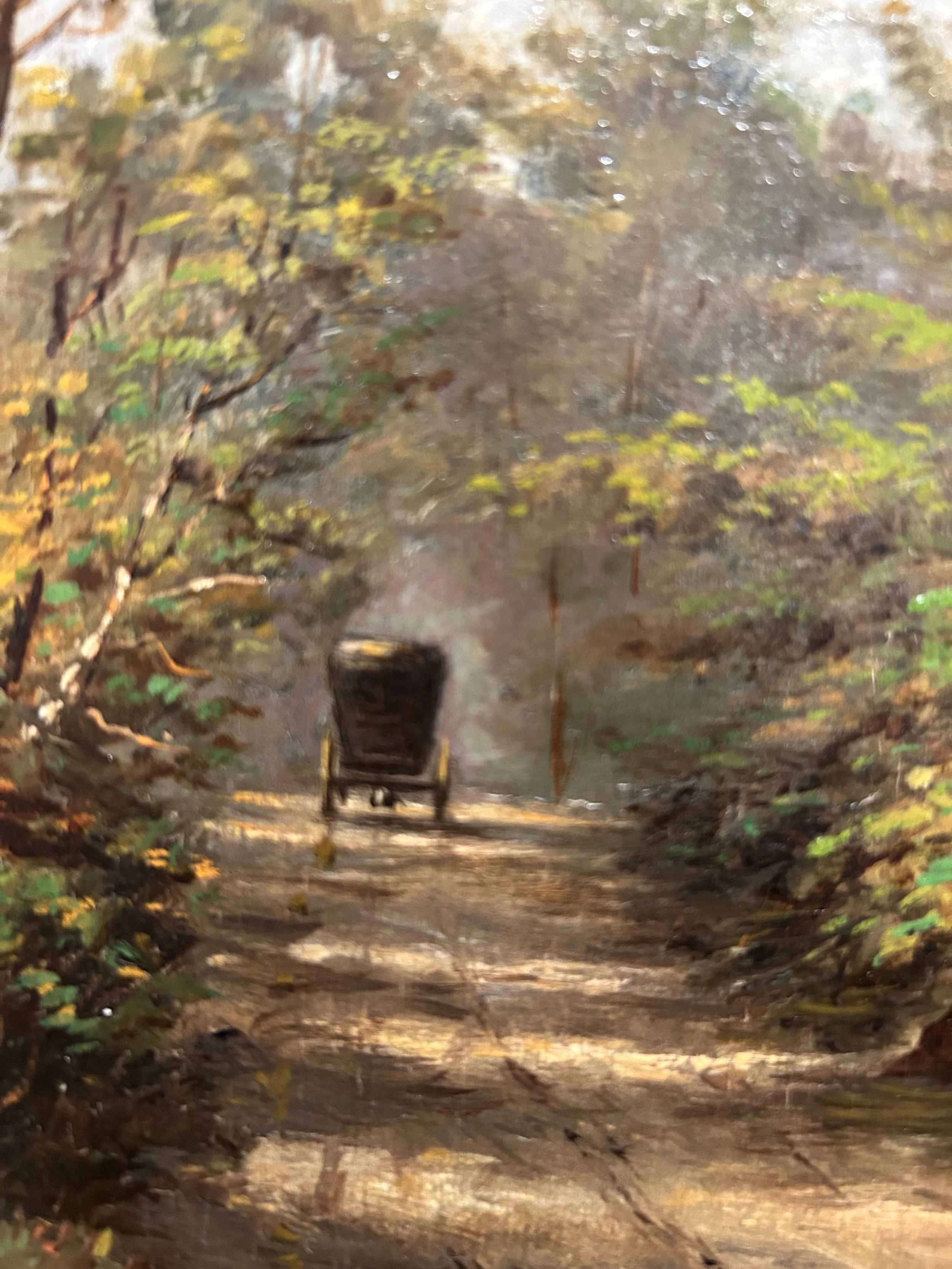 Image 5 of 5