A Rare Crystal-Inset Lacquered Ritual Spoon (Bi)
Western Han Dynasty (206 BC – AD 9)
Lacquered wood with rock crystal insert
Length: 10¼ in. (26 cm)
Formerly in the Collection of J. J. Lally & Co., New York
Description
This exceptionally rare ritual spoon, known in Chinese archaeology as a bi (匕), represents one of the most refined surviving examples of early Han dynasty lacquer craftsmanship. The spoon possesses an elegant, elongated handle terminating in a shallow, flattened ovoid bowl. Set at the center of the bowl is a carefully shaped faceted rock crystal insert, an extraordinary feature seldom encountered among excavated examples.
The surface is decorated with delicate red scrollwork painted upon a rich brownish-black lacquer ground, creating a striking visual contrast characteristic of elite lacquer wares of the Qin and early Han periods. The decorative scheme extends across the handle and reverse of the bowl in fluid, abstract curvilinear motifs that reflect the sophisticated aesthetic language of early imperial China.
The long, attenuated proportions and restrained elegance of the piece convey both ceremonial dignity and remarkable technical accomplishment.
Historical Context
The Western Han Dynasty (206 BC–AD 9) was among the formative periods of Chinese civilization. Founded by Emperor Gaozu (Liu Bang) following the collapse of the Qin dynasty, the Han period witnessed:
Consolidation of imperial authority
Expansion of Confucian state ideology
Development of long-distance trade routes that later became known as the Silk Roads
Extraordinary advances in lacquer production, metallurgy, and luxury craftsmanship
Lacquerware occupied a privileged position within Han society. Because lacquer production required extensive labor, highly specialized skills, and considerable resources, finely decorated lacquer objects became symbols of aristocratic refinement and courtly prestige.
The present spoon belongs to this elite tradition.
The Function of the Bi (匕)
Archaeologists and historians identify this form as a bi, an ancient ceremonial implement.
The Eastern Han scholar:
Zheng Xuan
explained in his commentaries on classical ritual texts that the bi was employed during ceremonies to:
The spoon therefore occupied an important place within the ceremonial framework of early Chinese religion, where acts of food preparation and offering served as essential expressions of reverence toward ancestors and spirits.
Rather than functioning as ordinary tableware, the bi belonged to a highly codified ritual environment that linked political authority, ancestral worship, and cosmological order.
Rock Crystal and Symbolism
The insertion of a faceted rock crystal element makes this example particularly remarkable.
In early China, crystal was valued for:
The use of crystal on a ritual implement may have enhanced its ceremonial significance, transforming an already prestigious object into one possessing heightened symbolic and possibly talismanic qualities.
Very few surviving lacquer spoons incorporate mineral inlays of this nature, making the present example exceptionally rare.
Lacquer Production in Early Imperial China
Ancient Chinese lacquer was produced from the sap of the lacquer tree (Toxicodendron vernicifluum). Each layer had to dry under carefully controlled humidity before additional coatings could be applied.
The manufacture of an object such as this involved:
Construction of the wooden core
Application of numerous lacquer layers
Polishing between coatings
Painting of decorative motifs
Insertion of the rock crystal element
Final finishing and burnishing
Because of this extraordinarily labor-intensive process, lacquer wares ranked among the most luxurious objects produced in ancient China.
Comparative Example and Archaeological Reference
A closely related spoon without a crystal insert was excavated from the:
Shuihudi Qin Tombs
The excavated example was published in:
Yunmeng Shuihudi Qin Mu (Qin Tombs in Shuihudi, Yunmeng County)
Beijing, 1981
Plate 17, no. 2; line drawing, page 33, plate 34.
The Shuihudi discovery demonstrated that this distinctive form of long-handled spoon originated during the late Qin period and continued into the Han dynasty.
The present example is especially important because it combines:
Archaeologically documented form
Sophisticated lacquer decoration
Rare crystal inlay
Exceptional state of preservation
Distinguished collecting history
Provenance
Acquired in Hong Kong, 1995
J. J. Lally & Co., New York
Inventory No. 2120
Christie's, New York
23 March 2023
Lot 807
The association with:
J. J. Lally & Co.
significantly enhances the object's scholarly and market importance. Founded by the distinguished dealer:
James J. Lally
the gallery has handled many of the finest Chinese works now housed in major museum collections worldwide and is widely respected for its rigorous scholarship and connoisseurship.
Museum Context
Objects of comparable date and material may be found in the collections of:
Excavated Han lacquer wares in these collections demonstrate the extraordinary sophistication achieved by Chinese craftsmen more than two millennia ago.
Selected Literature
Yunmeng Shuihudi Qin Mu (Qin Tombs in Shuihudi, Yunmeng County). Beijing, 1981.
Chinese Lacquer
Chinese Lacquer: Treasures from Han Tombs
The Arts of China
Christie's, New York, Important Chinese Ceramics and Works of Art, 23 March 2023, Lot 807.
J. J. Lally & Co., New York, Inventory No. 2120.
A Rare Crystal-Inset Lacquered Ritual Spoon (Bi)
Western Han Dynasty (206 BC – AD 9)
Lacquered wood with rock crystal insert
Length: 10¼ in. (26 cm)
Formerly in the Collection of J. J. Lally & Co., New York
Description
This exceptionally rare ritual spoon, known in Chinese archaeology as a bi (匕), represents one of the most refined surviving examples of early Han dynasty lacquer craftsmanship. The spoon possesses an elegant, elongated handle terminating in a shallow, flattened ovoid bowl. Set at the center of the bowl is a carefully shaped faceted rock crystal insert, an extraordinary feature seldom encountered among excavated examples.
The surface is decorated with delicate red scrollwork painted upon a rich brownish-black lacquer ground, creating a striking visual contrast characteristic of elite lacquer wares of the Qin and early Han periods. The decorative scheme extends across the handle and reverse of the bowl in fluid, abstract curvilinear motifs that reflect the sophisticated aesthetic language of early imperial China.
The long, attenuated proportions and restrained elegance of the piece convey both ceremonial dignity and remarkable technical accomplishment.
Historical Context
The Western Han Dynasty (206 BC–AD 9) was among the formative periods of Chinese civilization. Founded by Emperor Gaozu (Liu Bang) following the collapse of the Qin dynasty, the Han period witnessed:
Consolidation of imperial authority
Expansion of Confucian state ideology
Development of long-distance trade routes that later became known as the Silk Roads
Extraordinary advances in lacquer production, metallurgy, and luxury craftsmanship
Lacquerware occupied a privileged position within Han society. Because lacquer production required extensive labor, highly specialized skills, and considerable resources, finely decorated lacquer objects became symbols of aristocratic refinement and courtly prestige.
The present spoon belongs to this elite tradition.
The Function of the Bi (匕)
Archaeologists and historians identify this form as a bi, an ancient ceremonial implement.
The Eastern Han scholar:
Zheng Xuan
explained in his commentaries on classical ritual texts that the bi was employed during ceremonies to:
The spoon therefore occupied an important place within the ceremonial framework of early Chinese religion, where acts of food preparation and offering served as essential expressions of reverence toward ancestors and spirits.
Rather than functioning as ordinary tableware, the bi belonged to a highly codified ritual environment that linked political authority, ancestral worship, and cosmological order.
Rock Crystal and Symbolism
The insertion of a faceted rock crystal element makes this example particularly remarkable.
In early China, crystal was valued for:
The use of crystal on a ritual implement may have enhanced its ceremonial significance, transforming an already prestigious object into one possessing heightened symbolic and possibly talismanic qualities.
Very few surviving lacquer spoons incorporate mineral inlays of this nature, making the present example exceptionally rare.
Lacquer Production in Early Imperial China
Ancient Chinese lacquer was produced from the sap of the lacquer tree (Toxicodendron vernicifluum). Each layer had to dry under carefully controlled humidity before additional coatings could be applied.
The manufacture of an object such as this involved:
Construction of the wooden core
Application of numerous lacquer layers
Polishing between coatings
Painting of decorative motifs
Insertion of the rock crystal element
Final finishing and burnishing
Because of this extraordinarily labor-intensive process, lacquer wares ranked among the most luxurious objects produced in ancient China.
Comparative Example and Archaeological Reference
A closely related spoon without a crystal insert was excavated from the:
Shuihudi Qin Tombs
The excavated example was published in:
Yunmeng Shuihudi Qin Mu (Qin Tombs in Shuihudi, Yunmeng County)
Beijing, 1981
Plate 17, no. 2; line drawing, page 33, plate 34.
The Shuihudi discovery demonstrated that this distinctive form of long-handled spoon originated during the late Qin period and continued into the Han dynasty.
The present example is especially important because it combines:
Archaeologically documented form
Sophisticated lacquer decoration
Rare crystal inlay
Exceptional state of preservation
Distinguished collecting history
Provenance
Acquired in Hong Kong, 1995
J. J. Lally & Co., New York
Inventory No. 2120
Christie's, New York
23 March 2023
Lot 807
The association with:
J. J. Lally & Co.
significantly enhances the object's scholarly and market importance. Founded by the distinguished dealer:
James J. Lally
the gallery has handled many of the finest Chinese works now housed in major museum collections worldwide and is widely respected for its rigorous scholarship and connoisseurship.
Museum Context
Objects of comparable date and material may be found in the collections of:
Excavated Han lacquer wares in these collections demonstrate the extraordinary sophistication achieved by Chinese craftsmen more than two millennia ago.
Selected Literature
Yunmeng Shuihudi Qin Mu (Qin Tombs in Shuihudi, Yunmeng County). Beijing, 1981.
Chinese Lacquer
Chinese Lacquer: Treasures from Han Tombs
The Arts of China
Christie's, New York, Important Chinese Ceramics and Works of Art, 23 March 2023, Lot 807.
J. J. Lally & Co., New York, Inventory No. 2120.
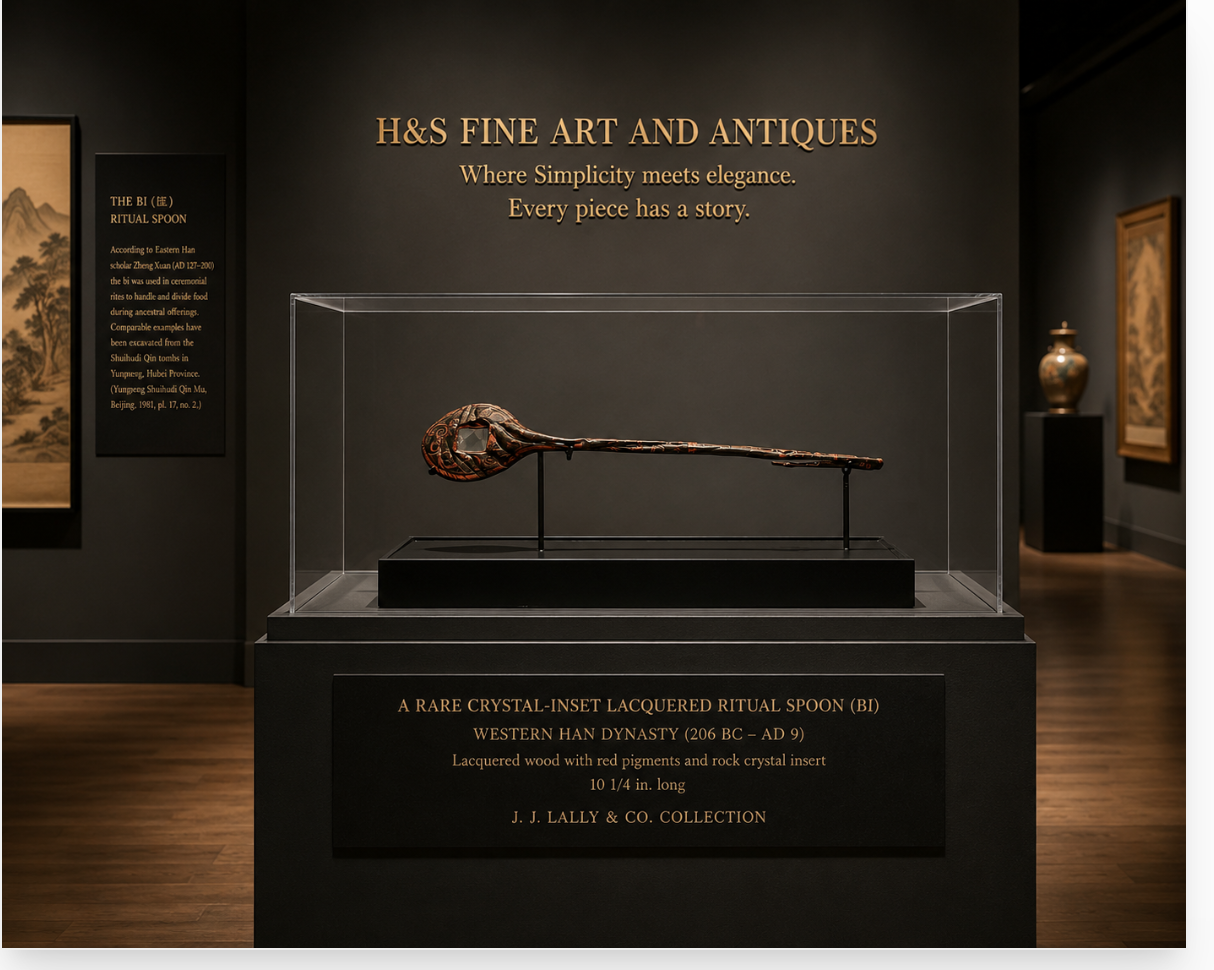 Image 1 of 6
 Image 2 of 6
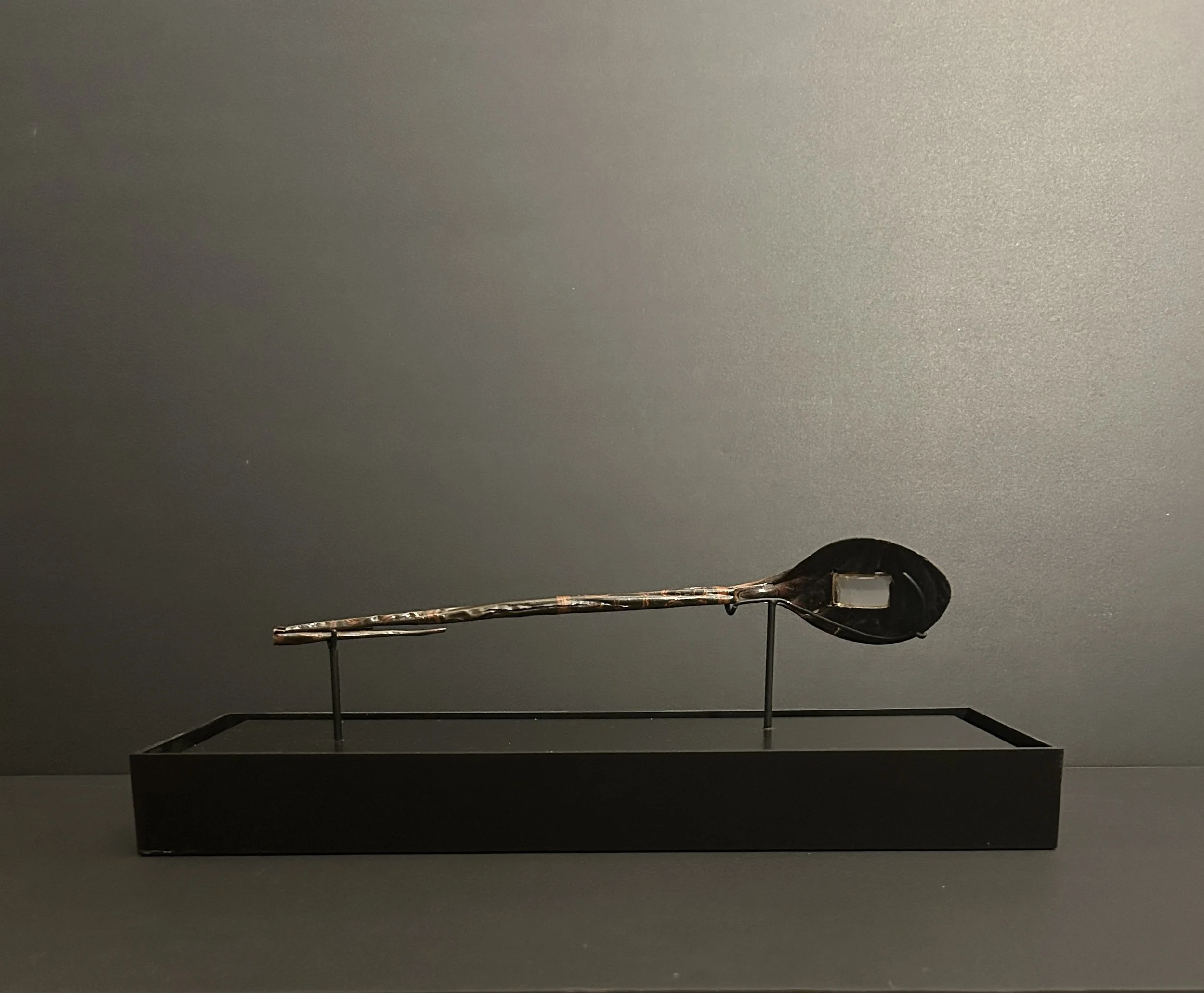 Image 3 of 6
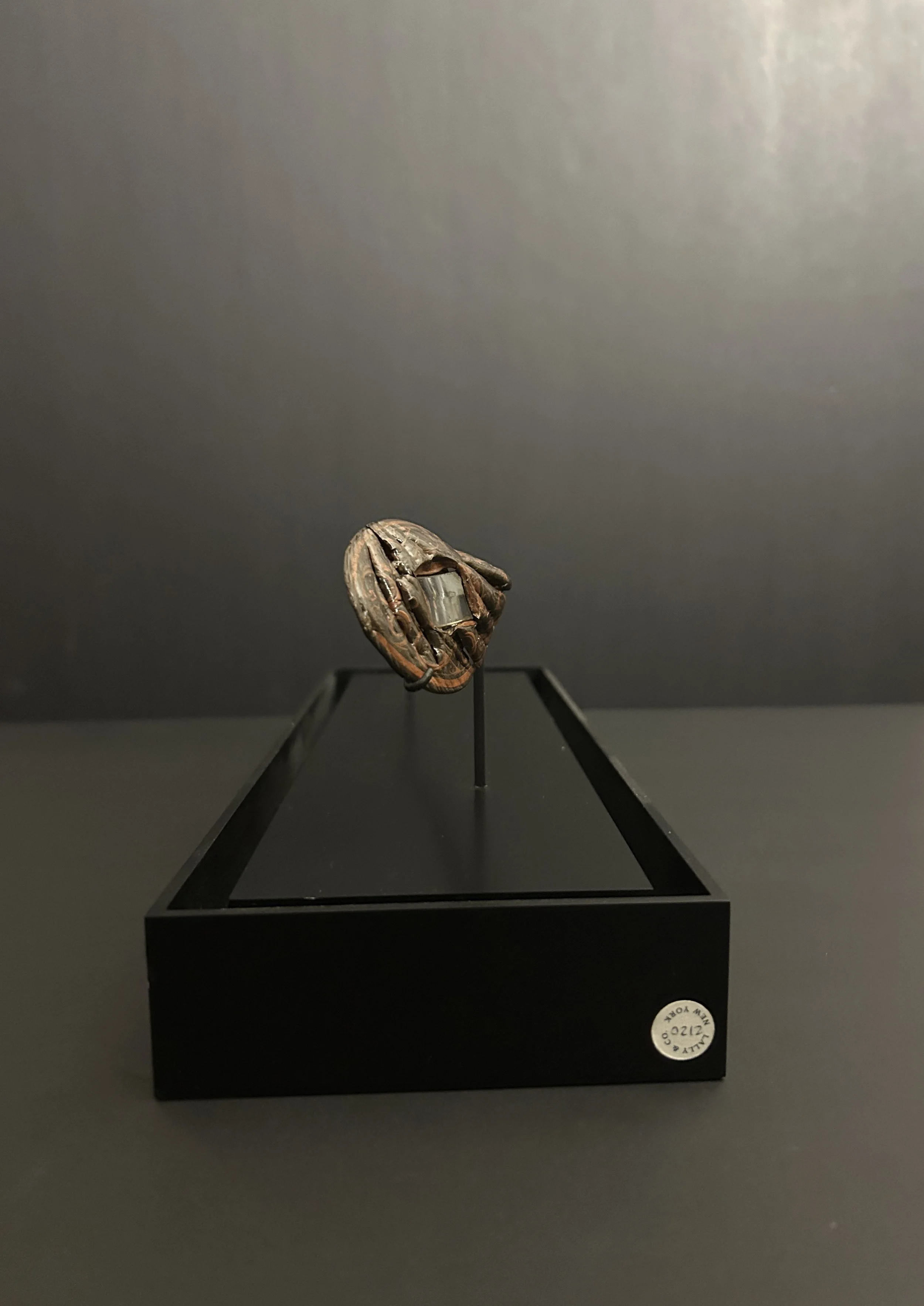 Image 4 of 6
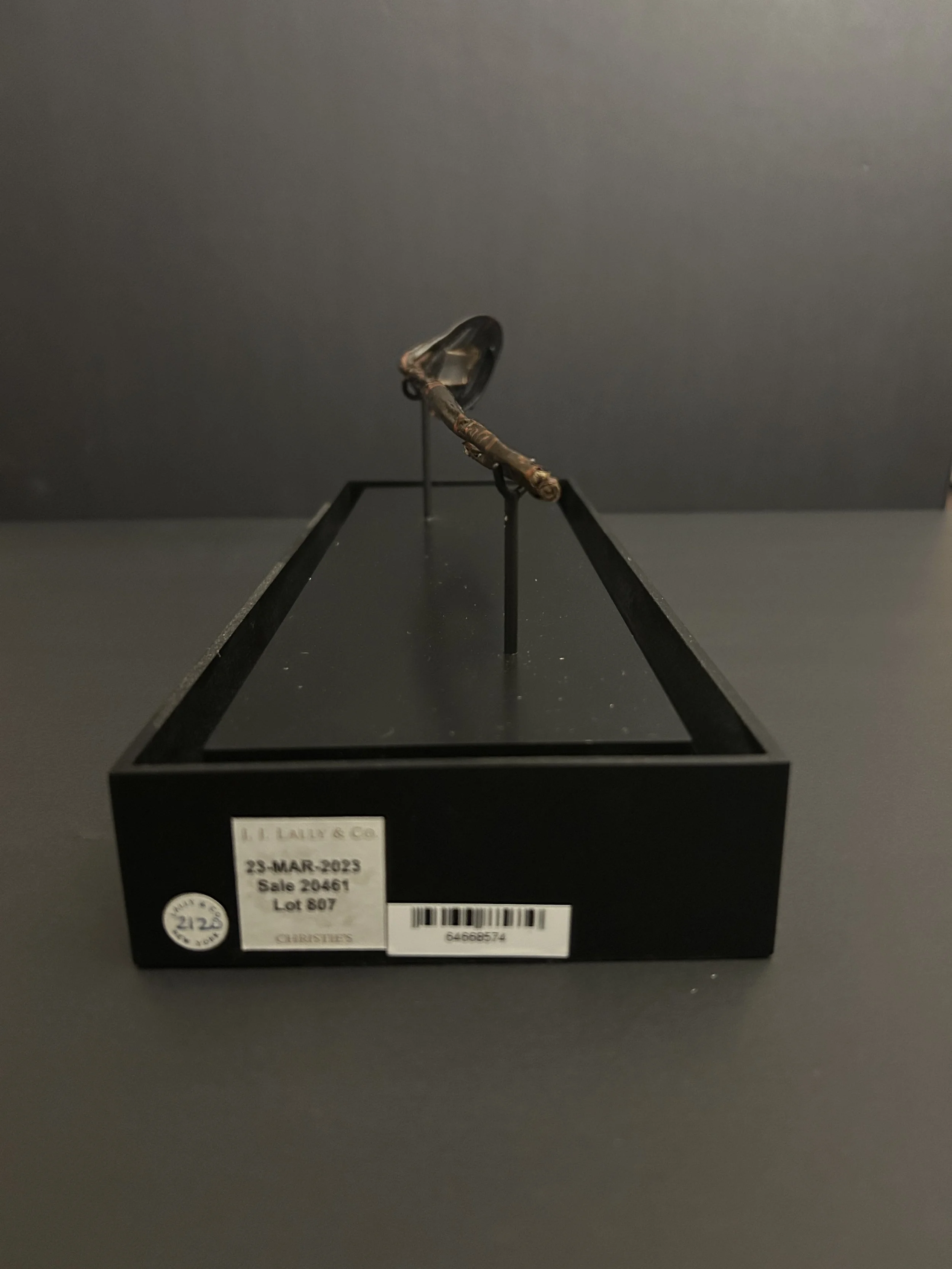 Image 5 of 6
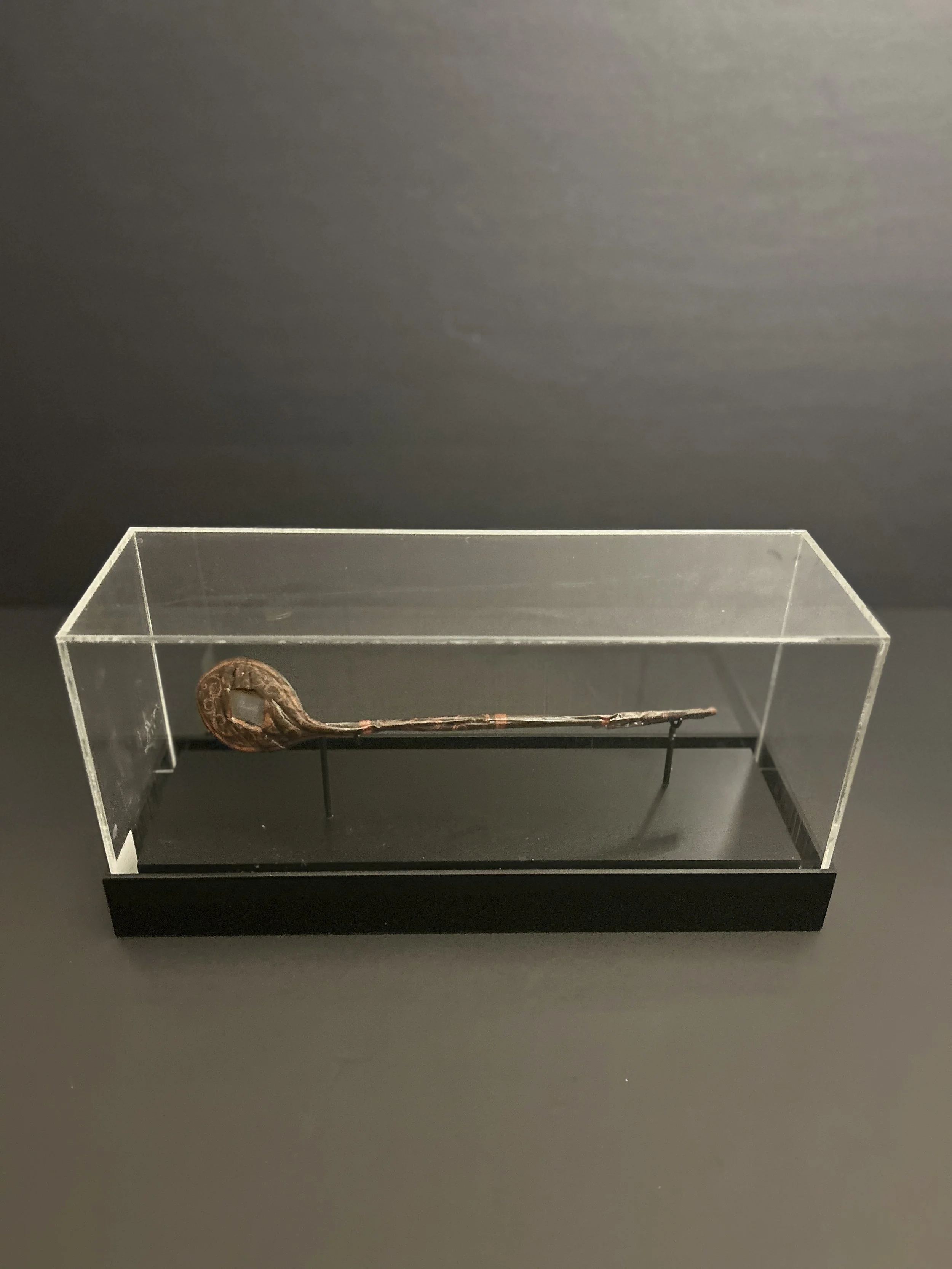 Image 6 of 6